Edmonton Advances Proactive Wildfire Risk Mitigation Strategy to Safeguard City
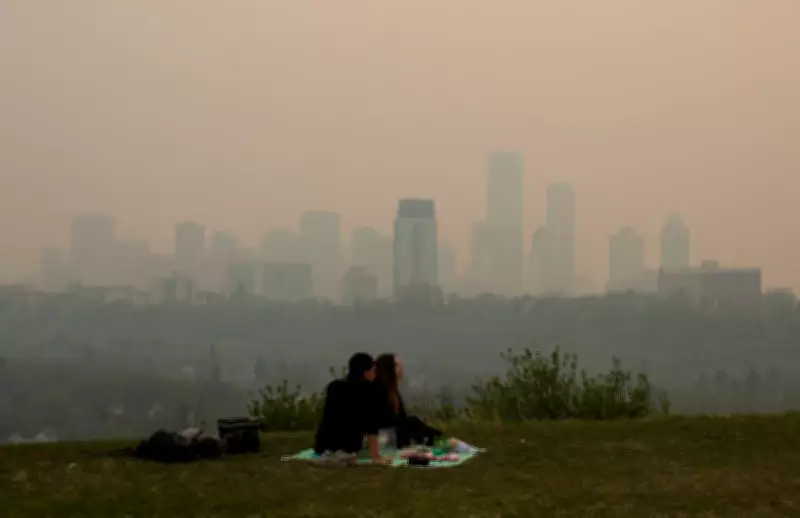
In response to escalating wildfire threats and their urban impacts, Edmonton is spearheading a proactive wildfire risk mitigation strategy designed to enhance community resilience and public health protection. The initiative, announced in April 2026, aims to address the growing frequency of smoke events that have blanketed the city, such as the notable incident on May 11, 2024, when dense wildfire smoke enveloped Edmonton, affecting daily life and outdoor activities.
Addressing Urban Vulnerability to Wildfire Smoke
The proposed strategy focuses on mitigating risks before wildfires escalate, moving beyond reactive measures to a forward-thinking approach. City officials emphasize the need for preparedness as climate change intensifies wildfire seasons, leading to more frequent and severe smoke episodes that pose health risks, particularly for vulnerable populations. The plan includes enhanced monitoring systems, public awareness campaigns, and infrastructure adaptations to reduce smoke infiltration in buildings.
Key components of the strategy involve:

- Implementing early warning systems for smoke events to alert residents in real-time.
- Developing green infrastructure, such as urban forests and green spaces, to act as natural buffers against smoke and improve air quality.
- Collaborating with provincial and federal agencies to coordinate wildfire prevention and response efforts across jurisdictions.
- Investing in research to better understand local wildfire patterns and their urban impacts, leveraging data from past events like the 2024 smoke crisis.
Learning from Past Incidents to Shape Future Policies
The 2024 smoke event, which saw residents continuing activities like picnics despite hazardous conditions, highlighted the urgency for improved public education and emergency protocols. Edmonton's strategy seeks to integrate lessons from such incidents, ensuring that community engagement and health safeguards are prioritized. By adopting a proactive stance, the city aims to reduce economic disruptions and health costs associated with wildfire smoke, which can exacerbate respiratory issues and other medical conditions.
This approach aligns with broader environmental trends, as cities across Canada grapple with similar challenges due to climate change and increasing wildfire activity. Edmonton's initiative represents a significant step in urban climate adaptation, potentially serving as a model for other municipalities facing analogous risks. The strategy's development involves input from environmental scientists, public health experts, and community stakeholders to ensure comprehensive and effective implementation.
As wildfire seasons become more unpredictable, Edmonton's commitment to proactive mitigation underscores the importance of local action in combating global environmental threats. The city's efforts reflect a growing recognition that urban centers must adapt swiftly to protect residents and maintain quality of life in the face of escalating natural disasters.