Northern Residents Voice Concerns Over Carney's Military Focus
In the remote communities of Canada's far north, a growing sense of unease is emerging as Prime Minister Mark Carney's ambitious military plans take shape. While the federal government emphasizes national security and defense readiness in the Arctic region, many local inhabitants fear that these strategic initiatives are overshadowing more immediate, everyday necessities.
Balancing Defense with Daily Life
The tension centers on whether military investments are adequately aligned with the pressing needs of northern populations. Residents point to longstanding issues such as inadequate healthcare access, unreliable infrastructure, and economic challenges that they argue require urgent attention. "We understand the importance of sovereignty and security," said one community leader from Nunavut, "but we also need hospitals that are fully staffed, roads that are passable, and schools that can provide a quality education. These are not luxuries; they are essentials for our survival and well-being."
A Closer Look at the Military Strategy
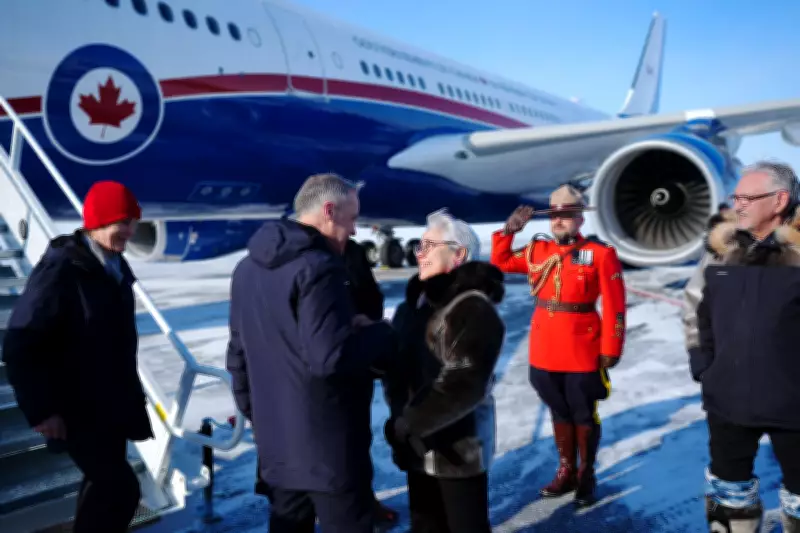
Prime Minister Carney's plan includes increased military presence and enhanced surveillance capabilities in the Arctic, aimed at asserting Canadian sovereignty and monitoring potential threats. This involves deploying additional personnel, upgrading equipment, and conducting more frequent exercises in the region. However, critics argue that this approach may divert resources and political focus away from social programs and community development projects that are critical for northern livelihoods.

Local leaders have expressed frustration that their voices are not being sufficiently heard in the planning process. They emphasize that while defense is important, it should not come at the expense of addressing the socio-economic disparities that plague many Arctic communities. High costs of living, limited job opportunities, and geographic isolation exacerbate these challenges, making federal support for basic services even more crucial.
The Human Impact of Policy Priorities
The debate highlights a broader question about governance priorities in remote regions. How can a government effectively balance national security interests with the fundamental needs of its citizens? For northern residents, the answer lies in a more integrated approach that sees military strategy and community development as complementary, rather than competing, objectives.
Some suggest that military investments could be leveraged to also benefit local communities, such as through infrastructure projects that serve both defense and civilian purposes, or by creating employment opportunities for indigenous populations. However, without explicit policies to ensure such synergies, there is concern that the current trajectory may widen the gap between federal ambitions and local realities.
As Prime Minister Carney continues to advance his military agenda, the calls for a more holistic strategy that addresses both security and everyday needs are likely to grow louder. The outcome of this balancing act will significantly impact the quality of life for those living in Canada's northern frontiers, shaping the region's future for years to come.