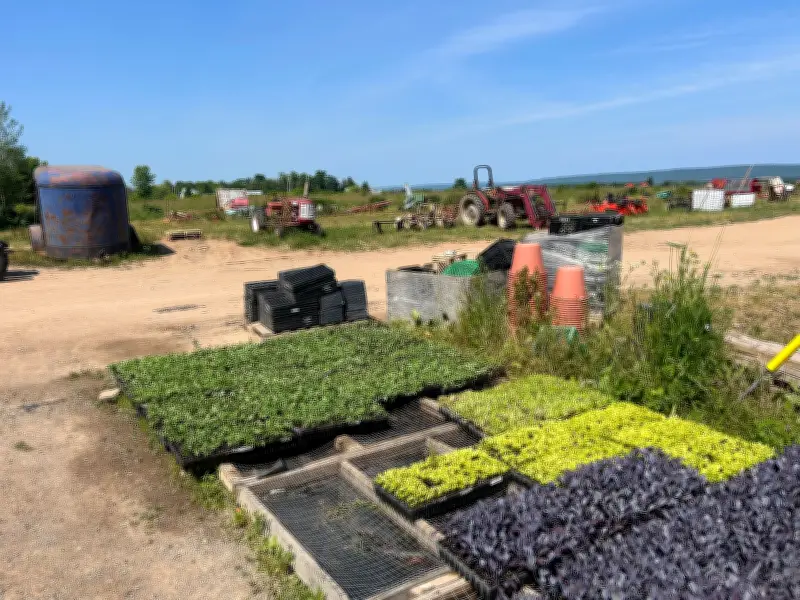
Drought Grips Nova Scotia Farms in July 2026
Nova Scotia's agricultural sector is reeling from an exceptionally dry July, with farmers reporting significant crop damage and reduced yields. Josh Oulton, a farmer in the region, described the situation as dire, noting that his farm has seen a 40% drop in expected harvest volumes. The lack of rainfall has left soil parched and plants stressed, threatening the livelihoods of many in the province.
Impact on Crops and Livelihoods
The dry conditions have hit a wide range of crops, including hay, corn, and vegetables. Hay yields are down by 30% compared to normal years, forcing some farmers to consider selling livestock due to feed shortages. Oulton said, "We're seeing crop failures in fields that usually produce well. It's a tough blow after a promising start to the season." The drought follows a wet spring that had raised hopes for a bumper year.
Farmers Struggle with Water Shortages
Many farms lack irrigation systems, leaving them dependent on rainfall. Wells and ponds are running low, and some farmers are trucking in water to sustain their crops. The provincial government has announced emergency funding for affected farmers, but many say it will not cover their losses. Oulton added, "We need rain, and we need it soon. Every day without it makes things worse."

Climate Change Exacerbates Weather Extremes
According to Environment Canada, July 2026 is on track to be one of the driest on record in Nova Scotia, with precipitation levels 60% below average. Climate scientists link the increasing frequency of such extreme weather events to global warming. The drought has also raised concerns about long-term soil health and the viability of farming in the region.
Community and Government Response
Local agricultural organizations are urging farmers to apply for federal disaster relief programs. Meanwhile, some farmers are adopting conservation techniques, such as no-till farming and cover crops, to mitigate future risks. However, for many, the immediate focus is on surviving the current crisis. The Nova Scotia Federation of Agriculture has called for a comprehensive review of water management policies to better support the farming community in future droughts.