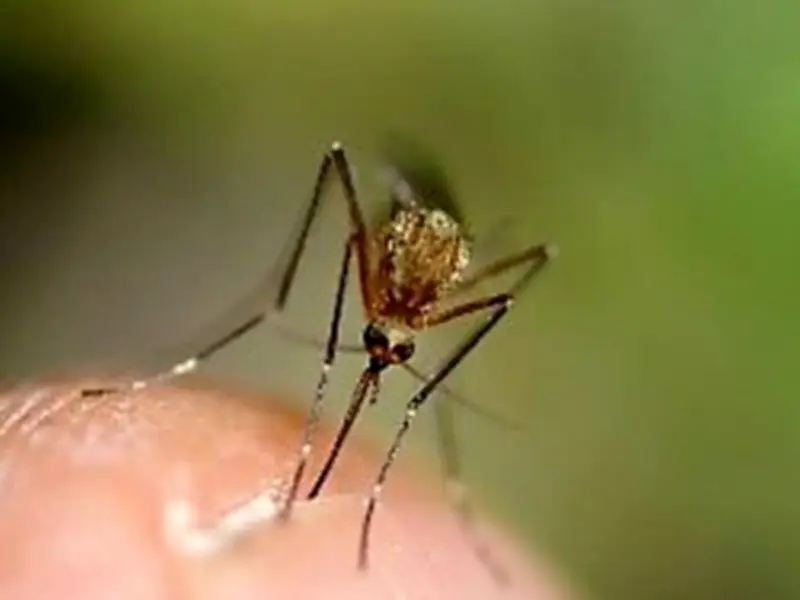
Health officials are expanding a study into mosquitoes on the North Shore to better understand how they may be affecting human health. The project is being continued after four cases of serious illness linked to mosquitoes were reported last year in Whistler, and a pilot project found two invasive mosquito species in the Sea to Sky region.
Background of the Study
During the pilot, researchers also found evidence of California serogroup viruses, which can cause illness in humans. These viruses can lead to infections that are either asymptomatic or resemble a mild flu. In rare cases, they can cause encephalitis or meningitis in humans, according to the B.C. Centre for Disease Control.
Between 2009 and 2024, there were 15 detections of these viruses in British Columbia.

Expanded Collaboration
The expanded project is a joint effort between the Centre for Disease Control, Vancouver Coastal Health, and the University of British Columbia, in partnership with municipalities and First Nations on the North Shore.
Climate Change Impact
Climate change may be affecting how often B.C. residents come into contact with mosquitoes and mosquito-borne infections, Vancouver Coastal Health officials said in a news release Tuesday. When there are more warmer days in a region, more mosquitoes can complete their life cycle, and the overall mosquito population can grow. Officials said having more mosquitoes around may lead to a greater chance of getting bitten.
Public Health Advice
The surveillance work on the North Shore will help health experts to assess risk and provide timely public health advice, said Dr. Alex Choi, medical health officer for the North Shore. “As we head into mosquito season, we encourage people to enjoy outdoor activities while taking preventive measures against mosquito bites,” Choi said in a statement.
“These warmer days also allow areas that were previously too cold to support the life cycle of mosquitoes to become potential new habitat for invasive and endemic species,” said vector specialist Stefan Iwasawa of the Centre for Disease Control, who is leading field work for the project.
Previous Cases
Officials launched a pilot project last year in response to encephalitis cases in children in the Whistler area. In 2024, four cases of encephalitis, or swelling of the brain, were linked to mosquitoes in the Sea to Sky region. All four individuals recovered.
Study Methodology
The North Shore project will include setting mosquito traps at different sites. Samples will be brought to the UBC department of zoology for mosquito species identification, then tested for California serogroup viruses and the West Nile virus at the Centre for Disease Control’s public health laboratory. The project runs until August. Officials are asking anyone who comes across a trap in a park, at a beach, or on trails to leave them undisturbed. Results of the study will be made public sometime in 2027.
Precautionary Measures
Health officials are advising outdoor enthusiasts to take precautions such as wearing protective clothing—especially at dusk and dawn when mosquitoes are most active—and using insect repellent.