B.C. Recreational Fishing Community Voices Concern Over Potential DFO Salmon Policy Changes
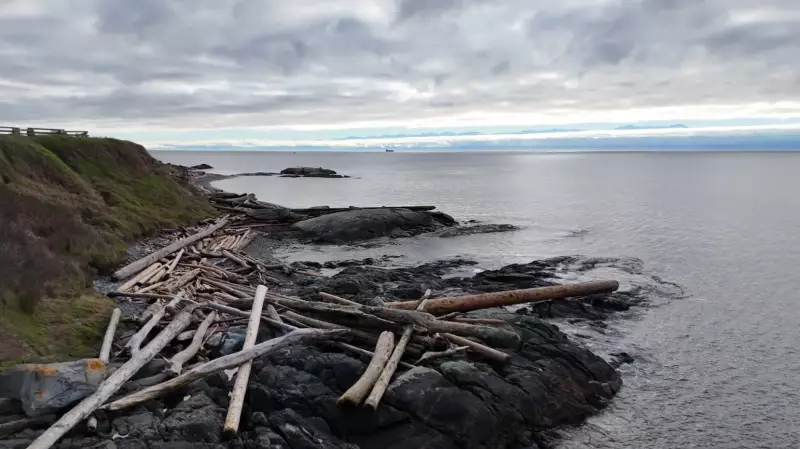
The recreational fishing community across British Columbia, particularly on Vancouver Island, is expressing growing apprehension about potential modifications to federal salmon management policies. Anglers and fishing advocates are closely monitoring developments from Fisheries and Oceans Canada (DFO), fearing that upcoming changes could significantly impact access, conservation efforts, and the economic vitality of coastal communities.
Mounting Apprehension Among Coastal Anglers
Local fishing enthusiasts and charter operators report increasing uncertainty as they await official announcements from federal authorities. The potential policy adjustments come at a time when salmon populations face multiple pressures, including habitat degradation, climate change impacts, and competing commercial interests. Many recreational fishers worry that new regulations might impose stricter catch limits, shorten fishing seasons, or designate additional conservation areas that restrict traditional fishing grounds.
"The recreational fishing community has been a longstanding partner in salmon conservation," noted one Vancouver Island fishing guide. "We're concerned that policy changes might not adequately consider the socioeconomic importance of recreational fishing or recognize our conservation contributions."

Economic and Cultural Implications
The recreational fishing sector represents a substantial economic driver for many British Columbia communities, supporting tourism businesses, equipment retailers, and hospitality services. Beyond economics, salmon fishing holds deep cultural significance for both Indigenous communities and settler populations along the coast. Potential policy shifts could therefore affect not just fishing activities but also cultural traditions and community identities tied to the salmon resource.
Fisheries management decisions often involve balancing complex ecological, economic, and social factors. Recreational anglers emphasize their role in monitoring fish populations, practicing catch-and-release techniques, and contributing to conservation funding through licensing fees. They hope any policy revisions will acknowledge these contributions while addressing legitimate conservation needs.
Seeking Clarity and Consultation
Community representatives are calling for transparent consultation processes as DFO considers potential policy adjustments. They emphasize the importance of science-based decision-making that incorporates local knowledge from those who regularly interact with marine ecosystems. The fishing community seeks assurance that their voices will be heard before any final decisions are implemented.
As discussions continue, recreational fishers across British Columbia remain vigilant, hoping for outcomes that support both healthy salmon populations and sustainable fishing opportunities for future generations.