Barrie's Winter Snowfall: Tracking the Seasonal Totals and Regional Comparisons
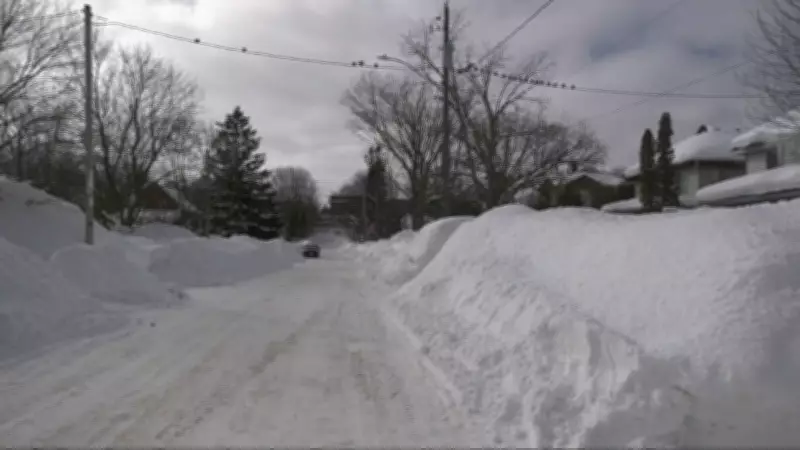
As February progresses, residents of Barrie, Ontario, are keenly aware of the winter's snow accumulation. The question of how much snow has fallen this season is a common one, with implications for daily life, transportation, and local infrastructure. This winter has presented a mix of weather patterns across Southern Ontario, leading to varied snowfall totals that merit closer examination.
Current Snowfall Data and Measurement Methods
Accurate snowfall measurement involves consistent tracking at official weather stations, often using standardized equipment to record daily and cumulative totals. In Barrie, these measurements are typically compared to historical averages to provide context for the current season's precipitation. While specific figures for the 2025-2026 winter are being compiled, preliminary data suggests fluctuations from the norm, influenced by broader climatic factors.
Regional weather systems, including lake-effect snow from Georgian Bay, play a significant role in Barrie's winter conditions. These systems can lead to sudden, heavy snowfall events that quickly increase seasonal totals. Understanding these patterns helps explain why snowfall can vary significantly from one winter to the next, even within the same geographic area.

Historical Context and Seasonal Trends
Barrie's long-term snowfall averages provide a benchmark for evaluating the current season. Typically, the city experiences substantial winter precipitation, with January and February often being the snowiest months. Comparing this winter's totals to those of previous years reveals trends that may be linked to larger environmental changes, such as shifts in temperature and storm frequency.
It is important to note that snowfall is not distributed evenly throughout the winter. Some weeks may see minimal accumulation, while others are marked by significant snowstorms. This variability makes it essential to look at cumulative totals rather than isolated events when assessing the overall severity of a winter season.
Impacts on Daily Life and Community Preparedness
The amount of snowfall directly affects Barrie's residents and municipal services. Road maintenance, snow removal operations, and school closures are all influenced by seasonal totals. Adequate snowfall data assists city planners in budgeting for winter operations and ensuring public safety during inclement weather.
Furthermore, winter sports enthusiasts and local businesses that rely on seasonal tourism monitor snowfall closely. Consistent snow cover supports activities like skiing, snowboarding, and snowmobiling, contributing to the local economy and community well-being during the colder months.
Looking Ahead: Forecasting and Climate Considerations
As the winter continues, meteorologists will provide updated forecasts and snowfall projections for Barrie. These predictions help residents prepare for upcoming weather events and make informed decisions about travel and outdoor activities. Climate change may also be influencing winter patterns, potentially altering snowfall amounts and timing in the long term.
In conclusion, while exact figures for Barrie's current winter snowfall are subject to ongoing measurement, the seasonal totals are a key aspect of the city's climate identity. By tracking this data and understanding its implications, the community can better navigate the challenges and opportunities presented by Ontario's winters.