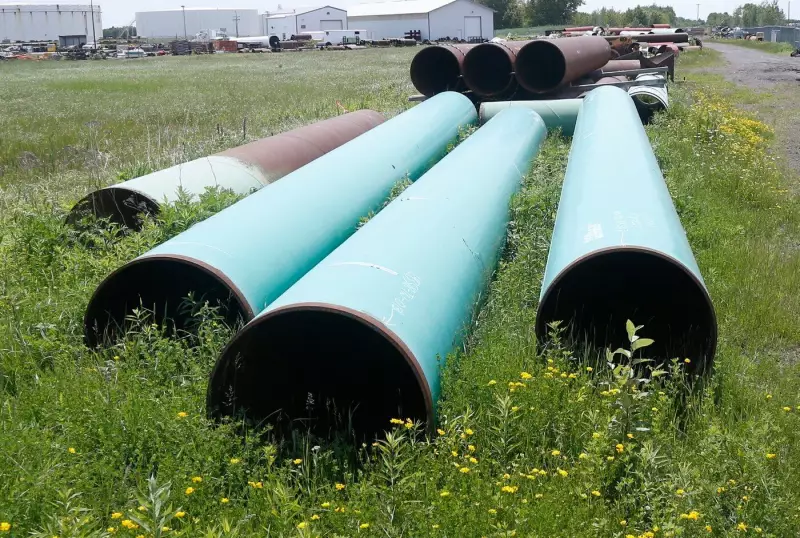
In a decision with significant implications for North American energy infrastructure, the U.S. Army Corps of Engineers has granted approval for Enbridge's proposed rerouting of its Line 5 pipeline around Wisconsin's Bad River Band of Lake Superior Chippewa reservation.
The controversial project, which has been the subject of intense debate and legal battles, will see a 41-mile section of the pipeline moved to avoid the tribal lands where erosion concerns had raised alarm about potential environmental damage.
Years of Legal Wrangling Culminate in Approval
This approval represents a major milestone in a dispute that has stretched over several years. The Bad River Band had expressed serious concerns about the existing pipeline's proximity to their territory and the potential threat to waterways they consider sacred.

The Corps' decision follows extensive environmental review and comes after a federal judge previously ordered Enbridge to shut down and remove the segment of pipeline crossing the reservation by 2026.
Balancing Energy Needs and Environmental Protection
The Line 5 pipeline carries approximately 540,000 barrels per day of crude oil and natural gas liquids across Wisconsin and Michigan, serving as a critical energy artery for the Great Lakes region. Supporters argue the reroute maintains essential energy supplies while addressing environmental concerns.
However, opponents remain skeptical, questioning whether the new route adequately protects sensitive ecosystems and respects Indigenous sovereignty. The Bad River Band has consistently opposed the pipeline's presence near their lands, citing treaty rights and environmental risks.
What Comes Next for the Project
With the Army Corps' approval secured, Enbridge can now move forward with the rerouting project, though additional state and local permits may still be required. The company has indicated it will work collaboratively with stakeholders while implementing extensive environmental protection measures during construction.
This development highlights the ongoing tension between energy infrastructure development and environmental conservation, particularly when projects intersect with Indigenous territories and culturally significant landscapes.