New research based in Edmonton is unearthing significant gaps in support for Alberta wildfire evacuees, highlighting that current systems often fail to meet the needs of the most vulnerable populations.
Research Findings
Interviews and focus groups with around 30 individuals who fled wildfires—including Alberta’s 2023 and 2024 wildfire seasons and the 2016 Fort McMurray wildfire—reveal that support is often inaccessible, unevenly distributed, and poorly coordinated among providers.
Julie Drolet, a professor in the Faculty of Social Work at the University of Calgary based at the Edmonton campus, noted that the preliminary findings show impacts extend far beyond the immediate danger of a wildfire. “People’s support needs don’t just end when they’re out of the area of wildfire risk,” Drolet said. “They continue to need support when they’re displaced.”

Challenges Faced by Evacuees
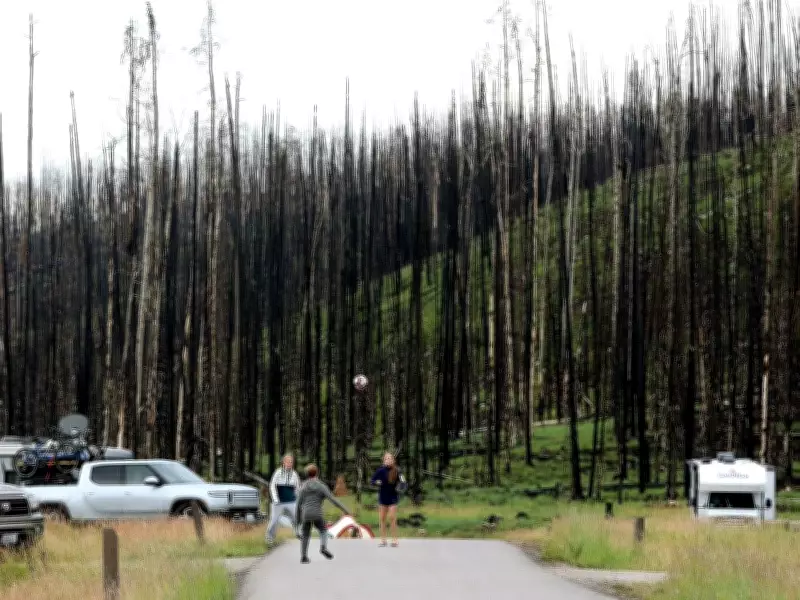
Research showed that some evacuees spent weeks, months, or even years displaced, facing complex stressors. Immediately after evacuations, many were housed in hotels and shelters for extended periods without clear timelines for returning home. Some lived in campers, RVs, or with friends, often in crowded spaces lacking privacy, with limited cooking facilities.
Evacuees also faced income loss due to inability to work, difficulties accessing insurance, and misplaced or lost key documents that hindered access to support. Families with children experienced prolonged school absences and struggled to keep kids occupied.
“Challenges that were shared with us were especially difficult for renters, low-income workers, older adults, and people without adequate insurance coverage,” Drolet emphasized.
Geographic Disparities
Support was concentrated in urban areas like Edmonton and Calgary, leaving those evacuated to rural areas with less help. Even evacuees in cities faced distress, as rural residents suddenly had to navigate complex urban life atop displacement stress.
Years after displacement, many continued to experience mental health issues, including anxiety, panic, grief, and distress.
Call for Systemic Change
Drolet called for a better-designed system that addresses these gaps, ensuring equitable and coordinated support for all evacuees, regardless of their location or socioeconomic status.