Months After Blazes, Dozens in Newfoundland and Labrador Remain Without Homes
In the aftermath of the destructive 2025 wildfire season, at least 47 residents of Newfoundland and Labrador are still displaced from their homes. The fires, which raged across the province last year, left a trail of destruction that continues to impact communities into 2026.
Historic Structures Lost in Conception Bay North Blaze
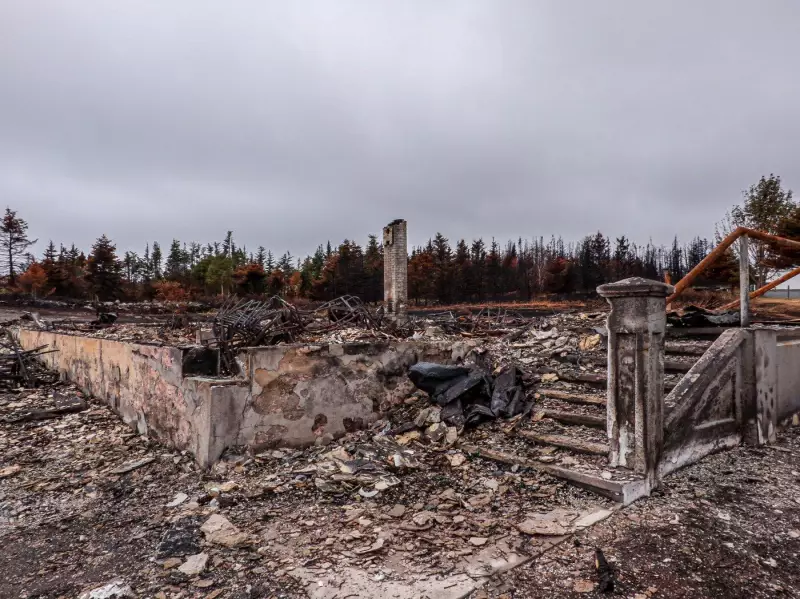
The Conception Bay North wildfire proved particularly devastating, reducing historic buildings to ruins in Small Point-Adam's Cove-Blackhead-Broad Cove. Photographic evidence from August 29, 2025, shows the stark aftermath of the blaze that swept through this region, destroying structures that had stood for generations and represented important cultural heritage for local residents.
The ongoing displacement highlights the long-term consequences of major wildfire events, which extend far beyond the immediate firefighting period. While the flames have been extinguished for months, the recovery process continues to unfold slowly, with affected residents facing uncertain timelines for returning to their properties or finding permanent alternative housing solutions.

Broader Context of Wildfire Impacts Across Canada
This situation in Newfoundland and Labrador occurs within a national context of increasing wildfire severity and frequency linked to climate change. The 2025 fire season saw multiple provinces grappling with significant blazes that strained resources and tested emergency response systems. The displacement of nearly fifty people in a single province underscores the human dimension of these environmental disasters, which often receive attention primarily for their ecological and economic impacts.
Wildfire recovery experts note that displacement lasting multiple months or years has become more common as fires grow more intense and destructive. The psychological and social impacts of such prolonged displacement can be profound, affecting community cohesion, mental health, and economic stability in regions already facing various challenges.
Local officials and support organizations continue to work with affected residents, though specific details about temporary housing arrangements, insurance processes, and rebuilding plans remain largely unreported. The situation serves as a sobering reminder of wildfire season's lasting consequences, even as attention shifts to other current events and emergencies across the country.