More than 10,000 anti-LGBTQ posts expressing hate and calling for violence were made by Canadians online the day after a mass shooting at a secondary school in Tumbler Ridge, British Columbia, according to an intelligence brief prepared for Prime Minister Mark Carney.
The memo, produced by the Canadian Security Intelligence Service’s integrated threat assessment centre, warned that individuals identifying as lesbian, gay, bisexual, transgender or queer face an increased risk of intimidation, harassment, criminal and extremist violence, along with public officials affiliated with the community.
CSIS Warns of Heightened Risk for LGBTQ Community
“Changes to the hate speech policies of major social media platforms, the amplification of hateful rhetoric on social media, and the increased visibility of (LGBTQ) individuals and events have likely heightened the risk of violence in Canada targeting the (LGBTQ) community, including public officials,” reads the assessment, obtained by the National Post.

The unclassified document, dated April 2, outlines that despite a rise in hateful rhetoric online and a greater risk of being targeted, a violent extremist attack targeting LGBTQ public officials was considered unlikely.
Spike in Hateful Posts After Shooting
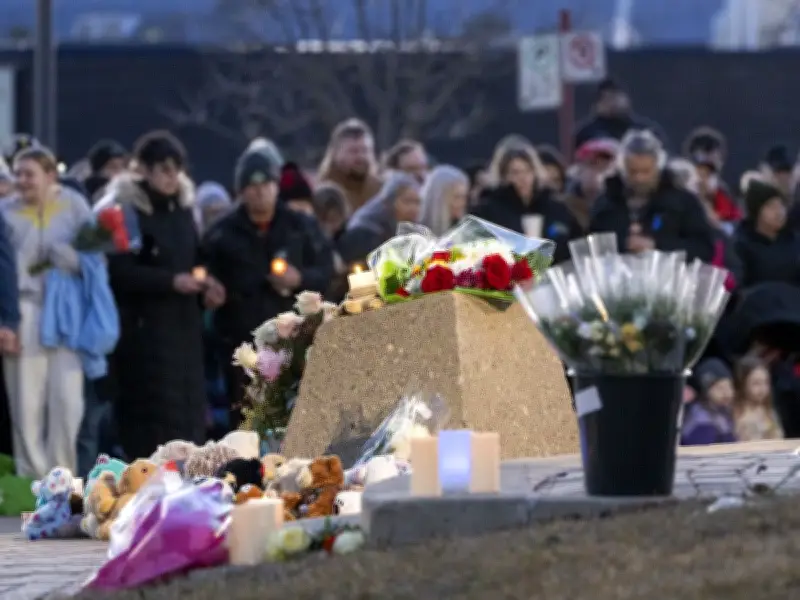
Using open-source information, the assessment listed as a case study what analysts observed following the Feb. 10 shooting at Tumbler Ridge Secondary. It noted that extremists were likely to try to capitalize on real-world events to amplify hateful and violent extremist rhetoric, raising the risk for LGBTQ officials.
“According to open-source analysis of social media,” the memo reads, “Canadian users made more than 10,000 such posts the day after the attack, which was the most pronounced spike in anti-(LGBTQ) hate speech between August 2025 and February 2026.”
“This coincided with a parallel increase in online activity from Canadian domestic extremists, who according to open-source reporting used the attack to increase their anti-(LGBTQ) posts from approximately 20 per day to over 230 per day in the aftermath of the attack.”
Domestic Extremists Amplify Rhetoric
Magali Hébert, a spokesperson for CSIS, says the term “domestic extremist” noted in the report refers to “violent extremists based in Canada.”
The memo says public officials who identify as LGBTQ face a greater threat risk due to the confluence of ideological extremism revolving around “extremist interpretations of gender roles, authoritarianism, nihilism,” as well as religious extremism that emanates from “extremist interpretations of religious doctrine,” which can be used to justify violence.
According to Statistics Canada, police-reported hate crimes directed at individuals over their sexual orientation fell in 2024 from 2023. However, the agency noted that June reported higher numbers compared to other months, as June is when Pride festivals and other celebrations are typically staged.