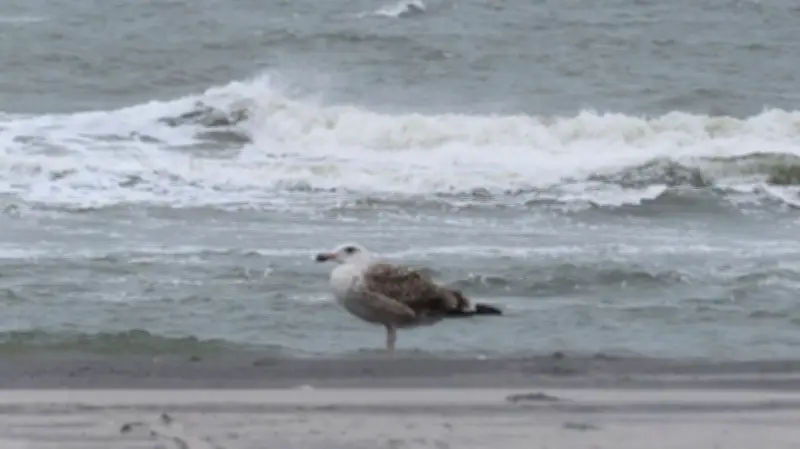
Seagulls could be the reason swimmers leave the beach with diarrhea or nausea, according to recent research highlighting the role of bird droppings in contaminating coastal waters. The study, conducted by environmental scientists, found that seagull feces often contain high levels of bacteria such as E. coli and enterococci, which are known to cause gastrointestinal illnesses in humans.
How Seagulls Contaminate Beaches
Seagulls frequently congregate near shorelines, feeding on human food scraps and waste. Their droppings wash into the water, introducing pathogens that can survive for days. Researchers sampled water at popular beaches and detected bacterial concentrations exceeding safety limits, particularly near areas where seagulls gathered in large numbers.
“Our findings indicate that seagull activity is a significant but often overlooked source of beach water pollution,” said Dr. Maria Chen, lead author of the study at the University of Toronto. “Swimmers exposed to these bacteria may experience symptoms like diarrhea, nausea, and stomach cramps within hours of contact.”

Health Risks and Recommendations
The study analyzed water samples from 10 beaches over two summers, finding that seagull-contaminated zones had bacterial levels up to 10 times higher than recommended by health authorities. Health officials advise swimmers to avoid swallowing beach water and to shower after swimming, especially near gull hotspots.
“We urge beachgoers to be aware of seagull presence and choose swimming areas farther from bird congregations,” added Chen. Local municipalities are exploring measures such as improved waste management and gull deterrents to reduce contamination.
Broader Implications
The research adds to growing evidence that wildlife can impact water quality, highlighting the need for integrated beach management. As climate change alters bird migration patterns, the risk may increase. Further studies are planned to assess long-term health impacts and develop mitigation strategies.