The 'No Mow May' campaign is gaining traction in Quebec as more municipalities join the initiative, which encourages residents to delay mowing their lawns until the end of May to support bees and other pollinators. However, the debate over its effectiveness continues to grow among experts and residents alike.
What is 'No Mow May'?
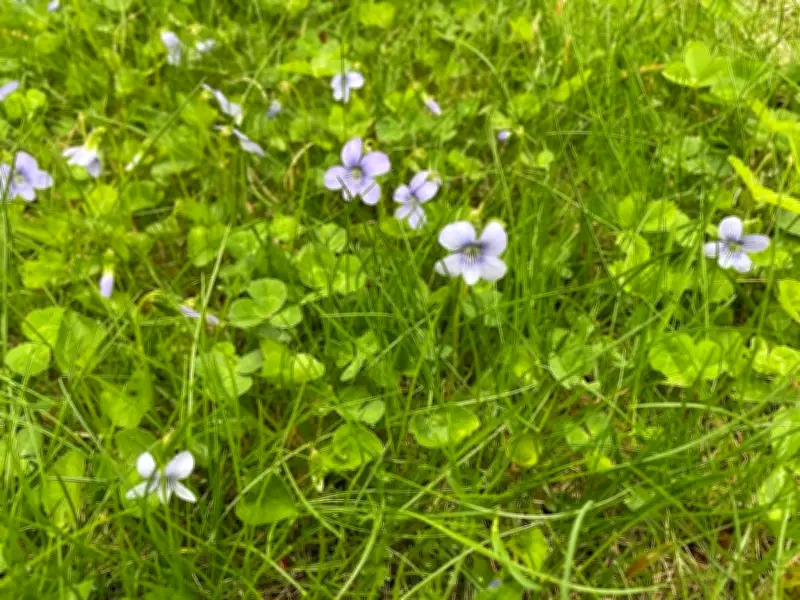
'No Mow May' is a grassroots movement that originated in the United Kingdom and has spread to Canada. The idea is simple: by allowing grass and wildflowers to grow uncut for the month of May, homeowners can provide early-season nectar and pollen for pollinators emerging from winter. Proponents argue that this small act can significantly boost bee populations, which are crucial for ecosystem health and agriculture.
Adoption in Quebec
Several Quebec municipalities have officially endorsed the campaign, with some even adjusting local bylaws to permit longer grass during May. Cities like Montreal, Laval, and Sherbrooke have seen increased participation, with residents proudly displaying 'No Mow May' signs on their lawns. Local environmental groups have been instrumental in promoting the initiative, distributing educational materials and organizing community events.

Does It Work?
While the campaign has garnered widespread support, some experts question its ecological impact. Critics argue that a single month of no mowing may not provide significant benefits if lawns are dominated by non-native grasses and lack diverse flowering plants. They suggest that more comprehensive approaches, such as planting native wildflowers and reducing pesticide use, are needed to truly support pollinators.
Research on the effectiveness of 'No Mow May' is mixed. A study from the University of Sussex found that lawns left unmowed for a month had more flowers and attracted more bees, but the effect was limited to common species. Rare or specialized pollinators did not benefit as much. Other studies indicate that longer-term changes, like converting parts of lawns into wildflower meadows, yield greater ecological rewards.
Community Response
Residents are divided. Some embrace the opportunity to help the environment, while others worry about property values and neighborhood aesthetics. Municipalities have tried to balance these concerns by allowing exemptions for safety reasons or high-traffic areas. In some cases, local governments have provided resources for residents to create pollinator-friendly gardens rather than simply skipping mowing.
Despite the debate, the movement shows no signs of slowing down. As more Quebec towns consider joining, the conversation around urban biodiversity and sustainable landscaping continues to evolve.