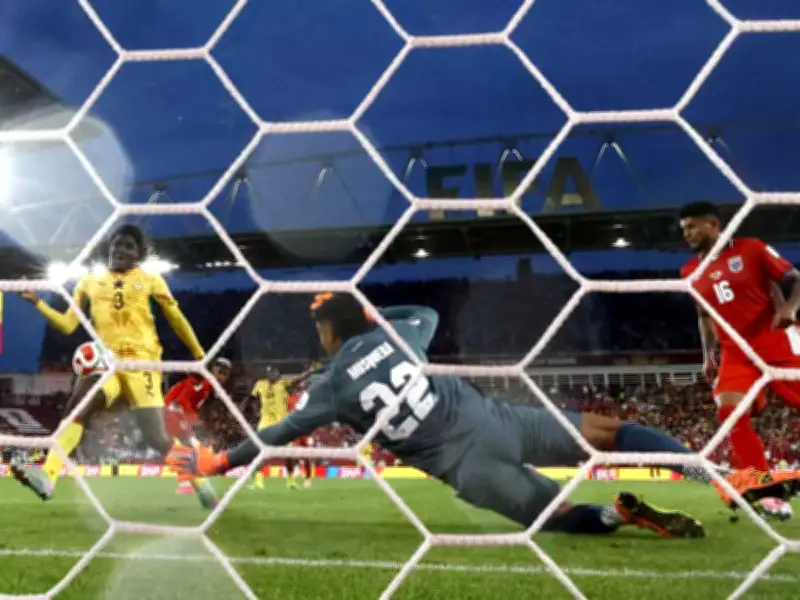
A festive atmosphere dominated Toronto Stadium on Wednesday night, even as rain fell. Fans from Ghana and Panama, colorful and vocal, sang and danced through the second World Cup match in the city. But the joy was interrupted twice by scheduled hydration breaks, a controversial addition to the 2026 tournament, and the crowd of 42,942 voiced their displeasure with loud boos.
Global Discontent
The drenched and disgruntled Toronto crowd is not alone. As all 12 groups get underway, the noise surrounding the mandatory breaks is growing louder. Panama's coach, Thomas Christiansen, was clearly unhappy after his team's 1-0 loss to Ghana. "It didn't help in any matter," Christiansen said. "It was not hot, but we have to accept that." Fans worldwide have voiced similar displeasure.
Why the Breaks?
FIFA mandated three-minute breaks at the 22-minute mark of each of the 104 tournament games, citing player safety regardless of weather. In theory, this makes sense for day games in extreme heat. However, many matches are played in climate-controlled indoor stadiums or in cool conditions. During Wednesday's game, temperatures dipped to 17°C, and with rain, it felt even colder.

Hydration breaks were first introduced at the 2014 World Cup in Brazil during a quarter-final when temperatures hit the mid-30s°C. Since then, breaks were at the discretion of officials and medical staff, with a 32°C threshold. Now, they are mandatory and scheduled.
Tactical Impact
Christiansen and other coaches argue the breaks can stunt momentum and create a tactical edge, functioning as a planned timeout. "(Ghana) changed the system in that moment and we saw it. The break was used to make corrections," he said. Canada scored after a break in their 1-1 draw with Bosnia and Herzegovina. For top coaches, three minutes can be an eternity.
Commercial Motives
Critics see through FIFA's strategy. Broadcasters like TSN use the breaks to sell commercials. "The advertisements on television are paying for all these things," Christiansen noted. Ghana coach Carlos Queiroz, at his fifth World Cup, said, "This game cannot keep going without our sponsors." A broadcast source called the breaks "a way of the world now" but added, "when it becomes a tactical tool, it's messing with the spirit of the thing." Queiroz suggested an "integrity report" after the tournament.