E-scooter injuries among children in British Columbia more than doubled in a single year, new figures show, with most of those hurt too young to legally ride.
The B.C. Children’s Hospital recorded 81 e-scooter-related emergency room visits in 2025-26, up from 37 the year before. More than half involved children aged 13 to 15, below B.C.’s legal riding age of 16.
The figures, released Monday, come just days after a 12-year-old was struck by a car while riding an e-scooter in North Vancouver — too young, like most of the injured, to be on it legally.

Rising Injury Rates and Common Injuries
Dr. Shelina Babul, director of the injury research and prevention unit at B.C. Children’s Hospital, said nearly 60 per cent of injured riders had been travelling above the 25 kilometre-an-hour speed limit. The data, compiled through the Canadian Hospitals’ injury reporting and prevention program, show fractures were the most common injury at 35 per cent, followed by scrapes and bruises at 26 per cent and concussions at 17 per cent. Most came from falls.
“We want people to heed the warnings and understand safety practices when it comes to riding e-scooters,” she said.
Expert Warnings: E-Scooters Are Not Toys
Babul said e-scooters handle differently than bikes. Riders stand upright with a higher centre of gravity. And smaller wheels make them more vulnerable to cracks and debris in the road. Her message to parents is blunt: These aren’t toys. Children under 16 shouldn’t be on them at all, she said, and the bigger fix is closing the gap in what young riders know before they get on.
“We need to really ramp up education and awareness around e-scooter use and safety and prevention,” Babul added.
Infrastructure Challenges and Advocacy
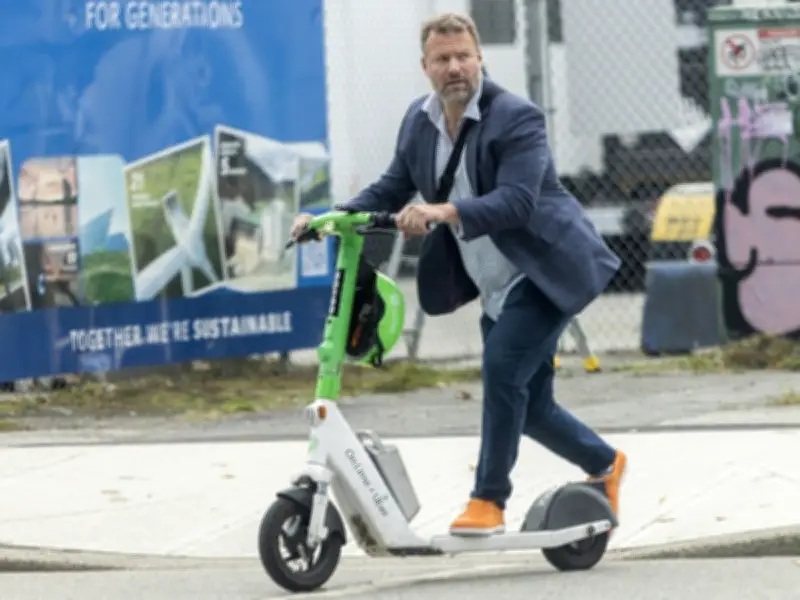
Rose Gardner, executive director of HUB Cycling, a Metro Vancouver cycling advocacy non-profit, said e-scooters are cheap, convenient and a good way to connect to transit like the SkyTrain. At high schools, scooters are often cooler than a bike. “We understand why people want to use it,” she said. “They’re convenient, they’re fun.”
The injury figures, she said, are worrying. Gardner said the infrastructure hasn’t caught up to the demand. Her organization runs a campaign called Ungap the Map, identifying the biggest missing links in the region’s cycling network. Newer, wider, separated paths are generally fine for e-scooters travelling at legal speeds, she said. Older routes, where people walk, cycle and scoot in the same space, are less comfortable.
“Infrastructure is the biggest factor,” she said. “Having safe, separated micromobility infrastructure on busy roads is a huge improvement for safety.”
Municipal Responses and Patchwork Regulations
Cities across Metro Vancouver are grappling with how to respond. Burnaby recently amended its street and traffic bylaw to ban e-scooters from major and arterial roads, parks and sidewalks, restricting them to protected bike lanes, multi-use pathways and local roads. Riders are also now forbidden from wearing headphones. HUB Cycling has raised concerns about the bylaw.
“There isn’t the infrastructure on all of the arterial roads that Burnaby is now prohibiting e-scooters from riding on,” Gardner said. She also questioned whether the restrictions were consistent with Burnaby’s own mode-shift and Vision Zero goals, and said that the patchwork of rules across municipalities creates confusion for riders.