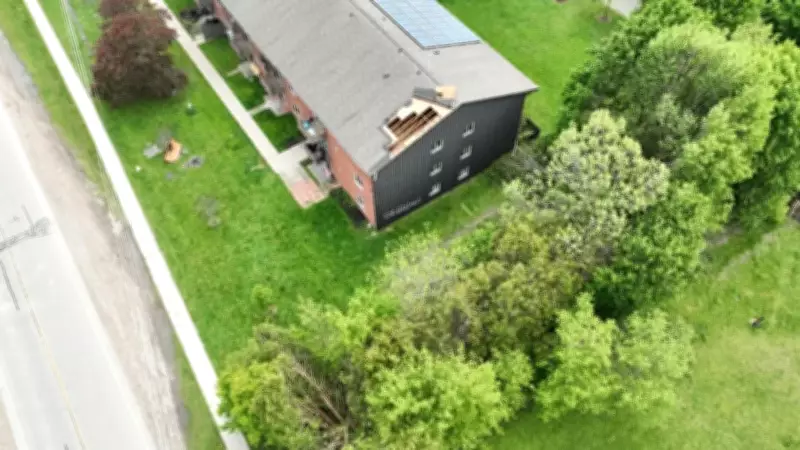
The Northern Tornadoes Project (NTP) has determined that a downburst, not a tornado, was responsible for the damage observed in east London, Ontario, during a severe storm on Tuesday, May 19, 2026. The storm caused significant damage to trees and at least one structure in the area.
What Is a Downburst?
A downburst is a powerful, localized column of air that descends rapidly from a thunderstorm and spreads out upon hitting the ground, causing damage similar to but distinct from a tornado. Unlike tornadoes, which involve rotating winds, downbursts produce straight-line winds that can exceed 100 km/h. The NTP, based at Western University, investigates severe weather events across Canada to classify the type and extent of damage.
Damage Assessment
According to the NTP report, the downburst in east London toppled trees and damaged a structure, though no injuries were reported. The project's team surveyed the area and collected evidence, including wind patterns and debris distribution, to confirm the cause. The findings underscore the importance of distinguishing between different types of severe wind events for accurate forecasting and public safety.

Context of the Storm
The storm that swept through London on Tuesday was part of a broader weather system that brought heavy rain, lightning, and strong winds to southern Ontario. Residents reported sudden gusts and flying debris, with some describing the event as frightening. The NTP's analysis provides clarity for the community and helps improve understanding of local weather hazards.
Broader Implications
This incident highlights the need for preparedness during severe thunderstorms, which can produce downbursts with little warning. The NTP continues to monitor and investigate such events to enhance weather prediction models and inform emergency response. London residents are advised to stay alert during storm seasons and secure outdoor items that could become projectiles.