Delhi Residents Take to Streets Over Dangerous Air Quality
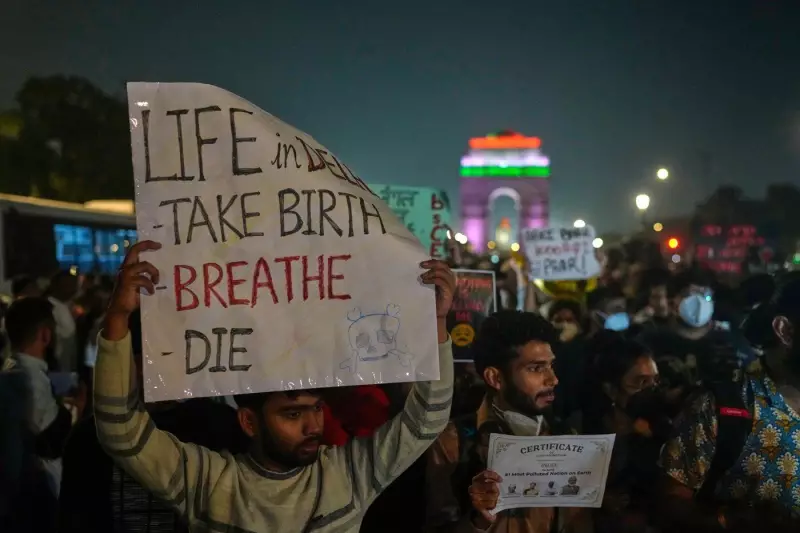
Citizens in India's capital city have launched rare protests against what they describe as government failure to address escalating air pollution levels. The demonstrations on Sunday, November 9, 2025, highlight growing public frustration with environmental conditions in one of the world's most polluted cities.
Pollution Crisis Reaches Breaking Point
Air quality in New Delhi has surged to hazardous levels, prompting concerned residents to organize public demonstrations. Photographic evidence from the protests shows citizens gathering in significant numbers, holding signs and demanding immediate action from authorities. The timing of these protests coincides with seasonal factors that typically worsen air quality in the region during late autumn.
Government Response Under Scrutiny
Protesters specifically targeted what they perceive as inadequate government measures to combat the ongoing environmental emergency. The demonstrations represent a notable escalation in public response to pollution issues that have plagued the metropolitan area for years. While previous years have seen pollution spikes, the organized nature of these November 2025 protests indicates a new level of public mobilization around environmental concerns.

Environmental experts have long warned about the health implications of Delhi's persistent air quality problems. The current crisis comes despite various government initiatives announced in recent years to address pollution sources, including vehicle emissions, industrial pollution, and agricultural burning practices in surrounding regions.
The protests occurred as recorded pollution levels reached particularly dangerous concentrations, posing serious health risks to the city's population of over 20 million people. Medical professionals have reported increased hospital admissions for respiratory issues during such pollution spikes, particularly affecting children, elderly residents, and those with pre-existing health conditions.
International environmental organizations have monitored the situation in Delhi as a case study in urban air quality management. The current crisis and public response may influence policy discussions about balancing economic development with environmental protection in rapidly growing metropolitan areas worldwide.