Air Traffic Controller Demands Under Intense Scrutiny Following Fatal Air Canada Crash
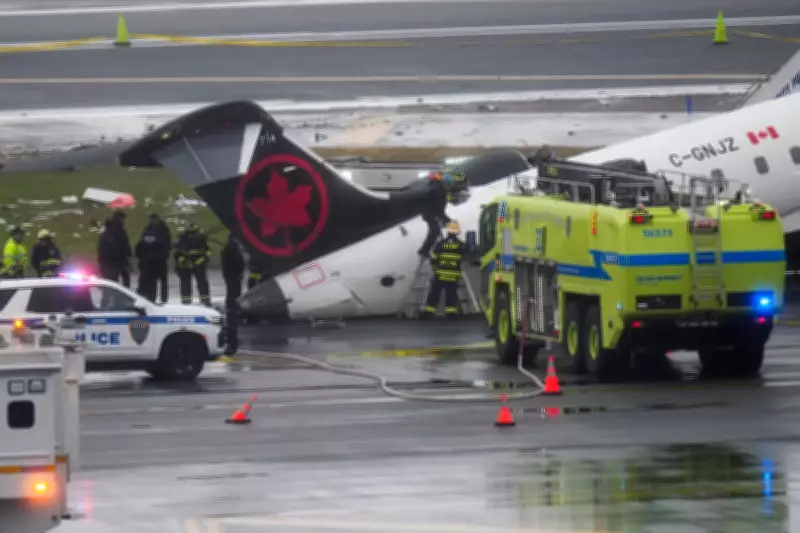
The tragic collision of an Air Canada jet with a Port Authority firetruck at LaGuardia Airport in New York has thrust the demanding responsibilities of air traffic controllers into the harsh spotlight of public and regulatory scrutiny. This devastating incident, which occurred on the evening of Sunday, March 22, 2026, resulted in the deaths of both pilots aboard the aircraft, raising urgent questions about operational safety and communication protocols at one of the nation's busiest aviation hubs.
A Catastrophic Collision and Its Aftermath
Emergency responders and federal investigators were seen meticulously examining the crash site on Monday, March 23, where the Air Canada jet came to rest after the catastrophic impact. The chilling air traffic control recording, which captured the final moments with the repeated command "Stop, Truck 1. Stop," has become a focal point for the ongoing investigation. This audio evidence starkly highlights the critical, split-second decisions that controllers must make under immense pressure, decisions that can mean the difference between safety and disaster.
Mounting Pressure on Aviation Professionals
This fatal accident has amplified existing concerns within the aviation industry regarding the intense workloads and psychological stress faced by air traffic controllers. These professionals are tasked with managing complex airspace, coordinating multiple aircraft movements, and ensuring ground safety simultaneously, often during high-traffic periods. The LaGuardia incident underscores the potentially dire consequences when communication breaks down or when external factors, such as unauthorized vehicle incursions, intersect with controlled airport environments.

Authorities are now delving deeply into the sequence of events that led to this tragedy, examining controller communications, airport ground vehicle protocols, and the specific actions of all personnel involved. The broader aviation community is watching closely, as the findings may prompt significant reviews of training standards, staffing levels, and technological aids used in air traffic control towers across North America. This event serves as a somber reminder of the relentless demands placed on those who safeguard our skies and the continuous need for rigorous safety evaluations in an ever-evolving aviation landscape.