A fierce controversy has erupted within CBS News, drawing a fiery reaction from a senior White House official. Stephen Miller, the deputy chief of staff and homeland security adviser, publicly called for the network to fire employees involved in what he termed an "open revolt." The dispute centres on a "60 Minutes" segment about a prison in El Salvador that was pulled at the last minute by the network's editor-in-chief.
The Spiked Segment and Internal Backlash
The conflict began when Bari Weiss, the editor-in-chief of CBS News, decided to pull a prepared "60 Minutes" report. The segment focused on a notorious prison in El Salvador where deportees from the United States were being sent by the Trump administration. Weiss defended her decision by stating the piece was not ready for air because it lacked the perspective of President Trump and his administration, who had declined to participate.
This justification did not sit well with the reporting team. Sharyn Alfonsi, the reporter for the segment, reportedly wrote an internal memo arguing the move was a "political one." She contended that the story had undergone the network's rigorous internal editorial checks and was ready for broadcast. Alfonsi warned of a dangerous precedent, stating, "If the administration’s refusal to participate becomes a valid reason to spike a story, we have effectively handed them a ‘kill switch’ for any reporting they find inconvenient."

Stephen Miller's Explosive Response
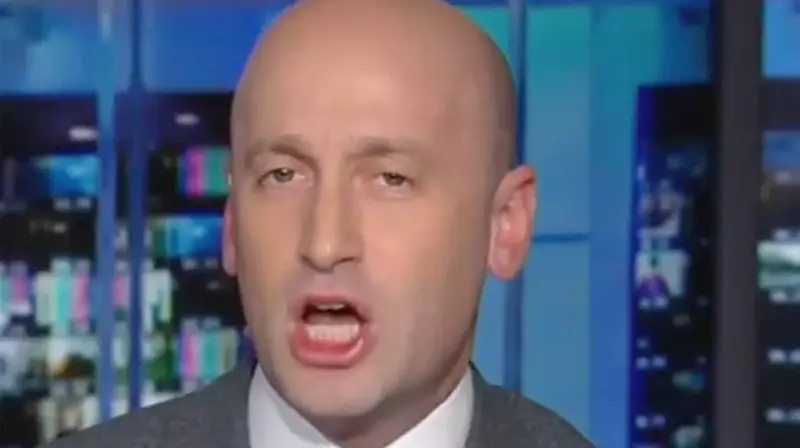
The internal dissent became public, leading to questions for White House officials. On Tuesday, during an interview on Fox News where Charles Hurt was filling in for Jesse Watters, Miller was asked about the "open revolt" at CBS, which has seen a conservative shift under Weiss's leadership.
Miller's response was extreme and personal. He rhetorically dared CBS employees to host migrants from the El Salvadorian prison in their own homes, claiming no one would take the deal. "Because they know that these are monsters who got exactly what they deserved," Miller stated. He connected the issue directly to President Trump's policies, saying, "Under President Trump, we are not going to let little girls get raped and murdered anymore."
He then issued a direct call for punitive action against the journalists: "And every one of those producers at ‘60 Minutes’ engaged in this revolt. Fire them, clean house, fire them. That’s what I say, Charlie."
Implications for Journalism and Political Pressure
This incident highlights the intense pressure on news organizations and the fraught relationship between the Trump administration and the media. The core conflict pits editorial independence against demands for administrative response. Alfonsi's internal warning about a "kill switch" underscores a fear that yielding to such pressure could fundamentally compromise investigative reporting.
The public call by a high-ranking White House official for the firing of journalists based on their editorial disagreements marks a significant escalation. It raises profound questions about the boundaries of political commentary on internal media affairs and the protection of journalistic processes from external coercion.
The fallout at CBS News continues, as the network manages both an internal rift over editorial standards and a very public, politically charged demand for staff dismissals from the White House.