Along with the usual tech questions I receive from readers, such as whether the new iPhone is worth it, how much RAM is needed in a next laptop, and for three decades now, how to fix a malfunctioning printer, I have increasingly been asked how to start a podcast. Indeed, even as a listener, podcasting is a hot trend. These episodic series are free to stream or download, can be enjoyed on multiple devices, and there are countless podcasts of all topics to subscribe to.
Unlike radio, the shows are delivered whenever a new episode is available. You can play, pause, rewind, and fast-forward episodes, and you can hear podcasts from all over the world in your native tongue. As for creating and hosting your own podcast, you are not at the mercy of a radio station's program director for putting you on the air. Podcasts are a free soapbox, plus there is inexpensive hardware and free software to get started, and it could even bring in revenue, too, if my Tech It Out podcast is any indication.
If you are old enough to understand the reference, here is a Coles Notes walkthrough at taking your podcast from a vague idea to a published feed.

Part 1: Ideation, Format
The first step is to figure out what your podcast will be about. What is your passion and expertise? Granted, just like Seinfeld was billed as a show about nothing, you do not necessarily need to dive into one specific topic like tech, politics, fashion, or sports, as people may tune in for you and your personality. But it is harder to gain an audience without a focus. So, it helps to narrow down your subject matter and desired audience. Do not be discouraged if there are existing podcasts with the exact same topic, as it is likely to be the case.
After you choose a podcast topic and perhaps a catchy name, you now must decide on a format. For example: Are you flying solo or do you want a co-host? A regular co-host or rotating spot? Will your podcast be interview-heavy with experts, or is it just you and a co-host musing over topics yourselves? What is your desired length and frequency? A weekly hour-long podcast or daily five-minute episodes? There is no right or wrong answer, but consistency is key. Do you want to host a video podcast or keep it to audio?
Part 2: Essential Hardware, Software
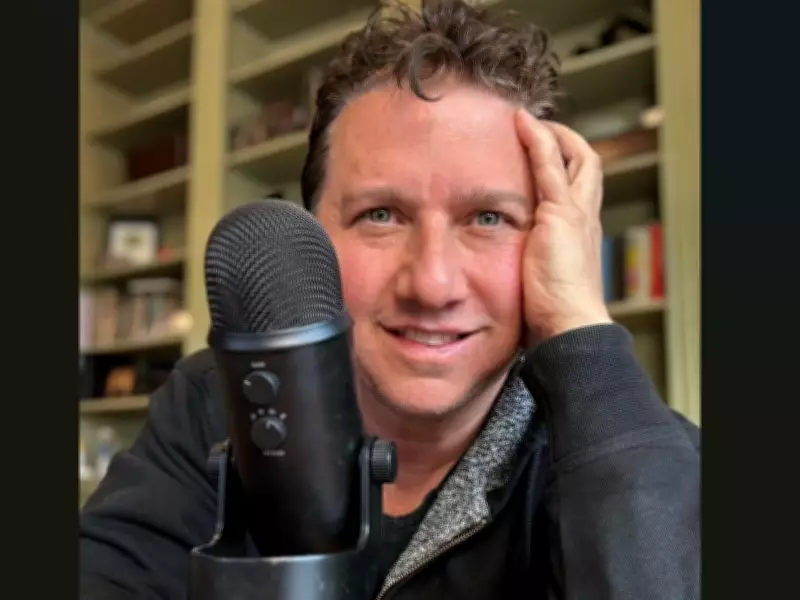
Honestly, your podcast setup could cost you $50 or $5,000. As a beginner, I would see what you can do without breaking the bank. Your first decision should be a good microphone. You should not use your laptop's built-in mic. But you do not need to buy anything elaborate either, as you can find a professional-sounding USB microphone for as low as $40. Some are better than others at cutting out ambient noise. You do not need a soundproof studio but try to record in a smallish room and, if possible, a room with soft surfaces like carpets and curtains to absorb echo. Some podcasters record in a closet, no joke.
Headphones are good to wear while recording, which prevents audio bleed where the mic picks up sound from your speakers, and it allows you to better catch common issues like plosives, the loud popping sound often made by words that start with the letter P. A mesh microphone cover, known as a pop filter, can also help soften out those sharp peaks. And you can train yourself to go lighter on those letters, too.
Compared to a phone or tablet, most podcasters record on a computer since it is easier to edit. Personally, I just use the free Audacity software to record my show. It is super easy to use. Mac users may also opt for the free GarageBand. When interviewing people in another location, which is usually the case, I use Zoom to record the chat, audio only. It is free to schedule a chat, send the calendar hold and Zoom link to the interviewee, and record the interview. Some people use tools like Riverside.fm or SquadCast to record high-quality audio locally on both ends and then compile later.
While I do not use any, some podcasters also leverage AI to help edit the podcast, be it stripping out background noise like the murmuring sound of people talking, or traffic or birds, or removing deep breaths or even ums and uhs. Tools like Adobe Podcast or Descript can shave off hours of your time.

Part 3: Hosting, Distribution
A common misconception is that you upload your podcast directly to Spotify or Apple. In reality, you upload your audio to a Podcast Host, which then generates an RSS feed (Really Simple Syndication) that tells the platforms when a new episode is ready. Popular options include RSS.com, Buzzsprout, Libsyn, and Spotify for Creators. These platforms store your large audio files and provide analytics so you can see how many people are actually listening.
Once you have uploaded your first episode and filled out your show's details on your host, you will be given an RSS Feed URL. Now you submit it to directories like Apple Podcasts, Spotify, Amazon, etc., which you only have to do once, and wait a day or so for approval. After the initial setup, every time you click Publish on your hosting platform, the episode with your show notes will automatically appear on all platforms within minutes.
Part 4: Promoting, Monetizing
Do not launch with just one episode. Aim to have three to five episodes ready to go, as this gives new listeners a chance to binge your content and also helps you climb the charts faster. Publish regularly. Many people start a podcast and then drop it after a couple of episodes. A podcast is a marathon, not a sprint. It can take a long time before gaining an audience, so do not lose hope. Unfortunately, the Field of Dreams adage, If you build it, they will come, does not usually apply to podcasts. You need to bring people's attention to it.
Promote your podcast on social media on the platforms that make sense, like LinkedIn for a business-centric podcast. Being a guest on other people's podcasts is a good way to spread the word about your own. Apply to win awards. Why not? Research and contact journalists and broadcast media who cover the subject you specialize in and offer to be interviewed for an article, in which your podcast can be promoted.
To make money via your podcast, you can do one or more of the following: Seek out sponsors you will need to talk about on the show, but they will likely require you to have some audience already. Run advertisements during your podcast. Earn a commission through affiliate marketing, such as recommending products or services to your listeners to earn money for every sale or sign-up. Charge guests to be interviewed. Ask listeners to chip in, utilizing platforms like Patreon or Buy Me a Coffee donations. Charge a podcast platform for exclusivity, which is rare but possible if and when you are big enough.
The most important thing to launching your own podcast? Have fun and enjoy it.