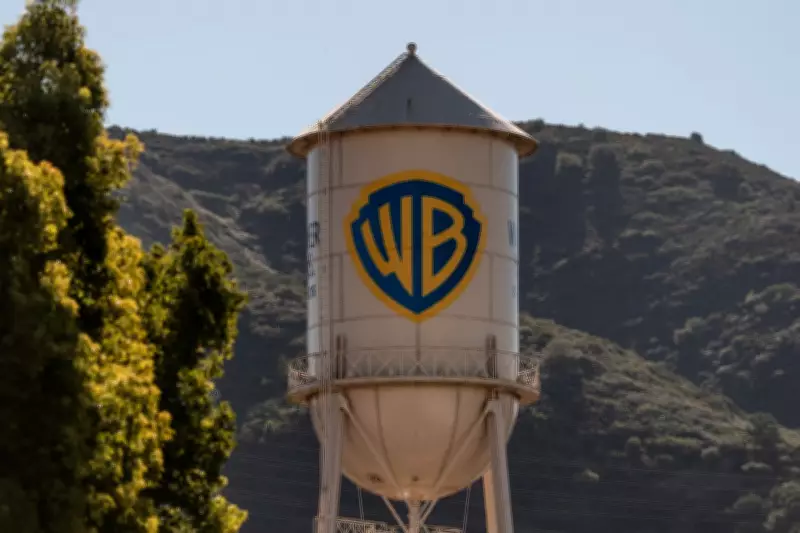
Warner Bros Studios is experiencing a period of significant contrast, basking in the glory of multiple Oscar wins at the 2026 Academy Awards while simultaneously navigating the complexities of an impending merger with Paramount. This juxtaposition of triumph and transition underscores a pivotal moment for the historic studio, as industry analysts closely watch how these developments will reshape Hollywood's competitive dynamics.
A Night of Recognition and Reflection
The 2026 Oscars ceremony proved to be a successful evening for Warner Bros, with several of its productions receiving critical acclaim and prestigious awards. This achievement highlights the studio's continued ability to produce compelling content that resonates with both audiences and critics. However, the celebratory atmosphere is tempered by the looming business realities that could fundamentally alter the company's future direction and creative output.
The Paramount Merger: Implications and Industry Reactions
The proposed merger between Warner Bros and Paramount represents one of the most substantial consolidations in recent entertainment history. Industry experts suggest this move could create a media powerhouse with unprecedented content libraries and distribution capabilities. Yet, concerns persist regarding potential antitrust scrutiny, creative integration challenges, and the impact on employment within both organizations. The timing of this announcement, coinciding with Warner Bros' Oscar success, creates a narrative of simultaneous achievement and uncertainty.

Financial analysts note that such mergers often aim to enhance competitive positioning in an increasingly fragmented media landscape dominated by streaming services and technological disruption. The combined entity would potentially command greater negotiating power with theaters, streaming platforms, and international distributors, though the path to realizing these synergies remains complex and uncertain.
Historical Context and Future Projections
Warner Bros, with its iconic water tower in Burbank, California, has been a cornerstone of American cinema for decades. The studio's Oscar victories serve as a reminder of its enduring creative legacy. Meanwhile, the merger discussions reflect broader industry trends toward consolidation as traditional studios adapt to changing consumer behaviors and technological advancements.
Observers within the entertainment sector are particularly interested in how the merger might influence content diversity, production budgets, and artistic freedom. Some fear that corporate consolidation could lead to homogenized content, while others argue that increased resources might enable more ambitious projects. The coming months will likely see detailed regulatory reviews and strategic announcements that will clarify the merger's trajectory and potential impact on Hollywood's creative ecosystem.
As Warner Bros celebrates its Oscar achievements, the entertainment world watches with keen interest to see how this bittersweet moment will evolve into the next chapter for one of cinema's most storied institutions.