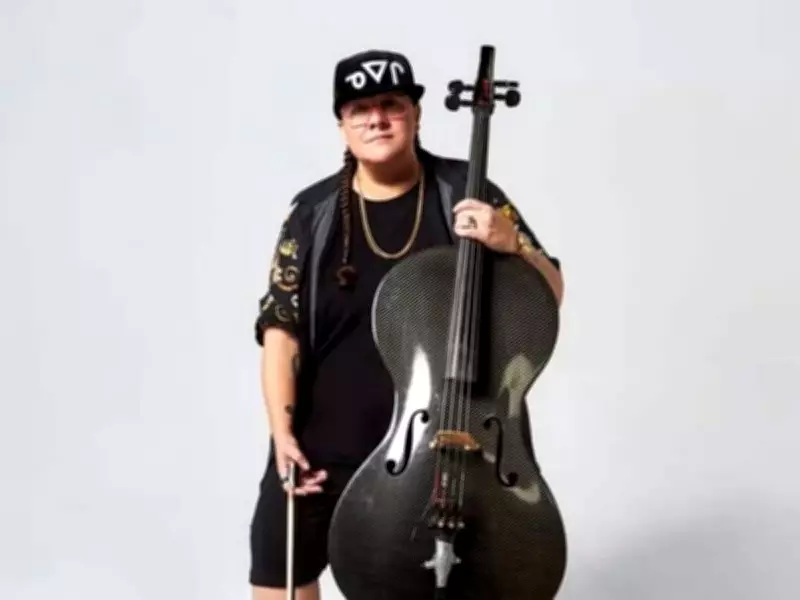
Cris Derksen, a renowned Juno-nominated Indigenous cellist, tragically died in a head-on collision near Slave Lake, Alberta, on Friday, May 15, as she was returning from her father's funeral. She was 45 years old.
At approximately 6:32 p.m., Slave Lake RCMP responded to a two-vehicle collision on Highway 44 near Township Road 684. According to Cpl. Matthew Howell, an initial investigation revealed that a northbound SUV crossed the center line and collided with a southbound SUV. Emergency medical services on the scene confirmed that the female passenger in the southbound SUV, later identified as Derksen, was deceased.
Witnesses reported that the northbound SUV was traveling at a high rate of speed before the crash. However, there was no evidence to suggest that drugs or alcohol were contributing factors. Both drivers were transported to the hospital with serious injuries.

Derksen was returning from her father's funeral, compounding the tragedy for her family. "Our condolences to the family and friends of the deceased. Whenever something like this happens on the road, it's always a tragedy for those involved," Howell said. He added that the circumstances made it "tragedy upon tragedy."
Derksen hailed from the North Tallcree reserve in Northern Alberta, with Cree and Mennonite heritage. She attended Victoria School for the Performing Arts in Edmonton and earned a bachelor of music from the University of British Columbia, where she served as principal cellist with the UBC Symphony Orchestra.
Known as "the electric cellist," Derksen was a beloved figure in Canada's classical and stringed music scene. She performed worldwide, often blending her Indigenous heritage into her work. Notable projects include the 2015 album Orchestral Powwow Project with Tribal Spirit Powwow, the Cris Derksen Trio with drummer Jesse Baird and dancer Nimkii Osawamick, and the choral composition Maada'ookii Songlines, which featured 200 singers.
Throughout her career, Derksen received multiple nominations, including the Indigenous Music Awards, Juno Awards for Instrumental Album of the Year, Aboriginal Peoples Choice Music Awards, Canadian Aboriginal Music Awards, and Western Canadian Music Awards.
Her booking agency, AIM, shared the news "with profound, shattering sadness," calling her a "visionary artist." They stated, "Her art was a reflection of her soul: poignant, powerful, grounded in heritage, and relentlessly innovative. You left an indelible mark on this world, and your song will echo in our hearts forever."
Fellow musician Melody McKiver, who shared a close bond with Derksen at the Banff Centre, expressed shock. "I don't even know how to process this," she wrote on social media, calling Derksen one of her most important mentors and a "pillar of our Indigenous classical community." McKiver also revealed that Derksen's wife, Bobby (Rebecca), was hospitalized in critical condition after the crash.