A Decade of Advocacy: The Persistent Struggle for Black Talent in Italian Fashion
For ten years, the Afro Fashion Association has been at the forefront of a challenging mission: promoting and supporting Black creatives within Italy's prestigious fashion industry. Founded by Michelle Ngonmo, the organization has worked tirelessly to elevate the profiles of approximately 3,000 designers, models, stylists, and other professionals, yet significant barriers remain firmly in place.
The Backstage Reality: Visibility Amidst Systemic Challenges
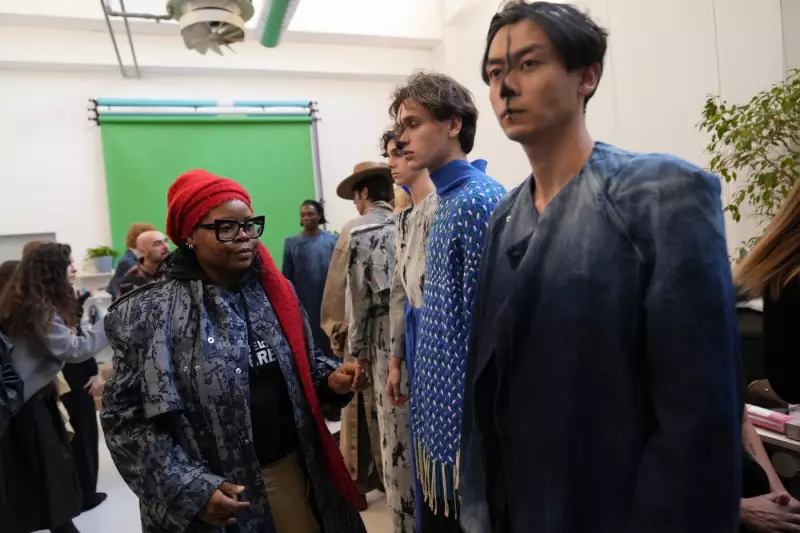
During the recent Victor-Hart Fall/Winter 2026-2027 Men's fashion show in Milan, Ngonmo was photographed preparing models backstage—a visible representation of her hands-on advocacy. However, this moment of visibility contrasts sharply with the broader, often invisible, structural issues that continue to hinder Black talent's advancement in Italian fashion houses, design schools, and media representation.
The industry's historical lack of diversity has created an environment where Black professionals frequently encounter limited opportunities for leadership roles, unequal access to funding, and persistent stereotyping that confines their creative expression to narrow, often exoticized, categories.

Measuring Progress: Achievements and Ongoing Gaps
Over the past decade, the Afro Fashion Association has made measurable strides through initiatives such as mentorship programs, networking events, and collaborations with established brands. These efforts have successfully placed more Black models on runways and increased the visibility of Black designers during major fashion weeks.
Nevertheless, systemic change remains elusive. Key challenges include:
- Underrepresentation in executive positions: Black professionals are rarely found in senior creative or business roles within major Italian fashion corporations.
- Limited access to education and training: Prestigious fashion institutes in Italy still have disproportionately low enrollment of Black students.
- Economic barriers: Securing investment and retail partnerships continues to be more difficult for Black-owned fashion labels compared to their counterparts.
- Cultural resistance to embracing diverse aesthetics beyond token seasonal trends.
The Path Forward: Sustained Advocacy and Industry Accountability
Moving beyond symbolic gestures, experts argue that genuine progress requires concrete actions from all industry stakeholders. This includes implementing transparent hiring practices, establishing diversity quotas in design schools, creating dedicated funding streams for Black entrepreneurs, and fostering inclusive creative environments that value diverse perspectives.
The Afro Fashion Association's work demonstrates that while individual success stories exist, collective advancement demands ongoing commitment to dismantling entrenched barriers. As Italy's fashion industry looks toward future seasons, the question remains whether it will fully embrace the talent and innovation that Black creatives have long contributed to global fashion.