Alvin Ailey Dancer Samantha Figgins Transforms Disability into Artistic Strength
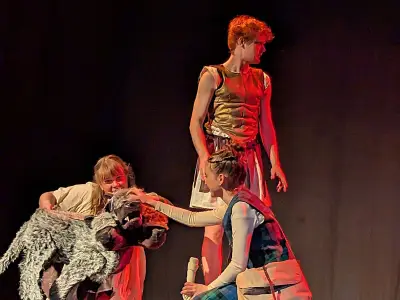
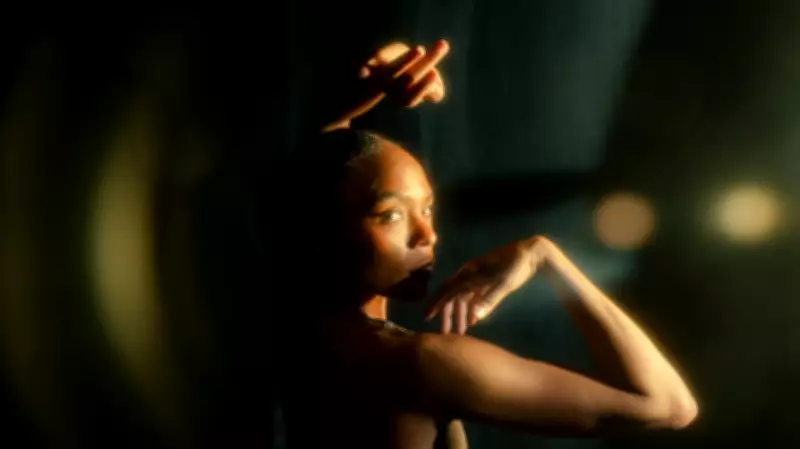
Something about the way the dancers’ bodies moved made me feel weak, not in a sickly sense, but as if I was softening like candle wax under a gentle flame. I glanced around at faces similarly entranced, all captivated by the vulnerability and intuition in the movement that seemed to chip away at the weight on our collective shoulders. During a December performance in New York, I watched Alvin Ailey dancers perform a piece called “Difference Between,” which was simultaneously energizing and melancholic. As someone not versed in dance, I had no clue about the choreography’s intent, yet I perceived clear moments of longing, fear, and ultimately, a beautiful new beginning unfolding on stage.
Emotional Depth in Performance and Personal Journey
“We have our ups and downs as dancers, and we are so lucky and blessed to have work that we can pour ourselves into—using our personal experiences to enrich the movement and stories given to us,” says Samantha Figgins, a dancer with the Alvin Ailey American Dance Theater whom I observed that night. “What a gift it is, for us.” Months later, in a conversation, Figgins confirmed that the piece, choreographed by Matthew Neenan, was profoundly emotional. “I think it’s about longing, travel, and migration—journeys we all undergo,” she explains. “There can be grief in leaving behind family, relationships, or even past versions of oneself.”
Samantha Figgins, a hard-of-hearing dancer, began her dance journey with ballet in Washington, D.C., learning early how emotions transfer from stage to audience. Recently, she choreographed “Holy Blues” for Ailey’s 2025 season, channeling themes of love, loss, grief, and Gospel spirit into a luminous, haunting narrative. In performances last winter, Figgins and her castmates conveyed poignant messages about community and resistance, intentionally aiming to communicate hope and strength. “We’re not equipped to handle all this global terror—it burdens our collective nervous system. Attending an Ailey performance offers a chance to release that,” she notes.

Embracing Disability as a Source of Abundance
In a sun-drenched studio, Figgins reflects on her journey toward transparency about her personal life and identity. She only started openly discussing her disability a few years ago—hearing loss in her right ear from childhood meningitis—and how it shapes her work, creativity, and self-perception. Viewing disability as a pillar of identity, rather than a flaw, has been revolutionary for her. “There’s something called Deaf Gain. You gain so much from your deafness and identity, learning to handle emotions and truths, which has enriched me,” Figgins says.
This transformation boldly appears both on stage and in her personal life. “It allows others to show up for me and me for them, but it took time,” she admits. “As a young dancer in a fast-paced environment, I hid my hearing loss, fearing it might be seen as a weakness holding the group back.” As she matured professionally, Figgins questioned how her disability might limit her, often navigating spaces quietly to fit expectations. “As a Black woman, you work twice as hard, but I’m working four times as hard to stay on track. I didn’t want to highlight my differences, as many don’t understand,” she shares.
Building Support and Fostering Inclusion
Figgins had support from her twin sister, who acted as a friend and interpreter, but eventually, she knew she needed independence. Getting a hearing aid with health insurance from her salary was liberating, and learning ASL during the pandemic revealed parallels in intentional movement, whether through facial cues in signing or dance steps on stage. “I feel better speaking openly now—I’m not alone anymore. It was isolating,” she states. “I’m trying to make space for others like me, to be the person I needed when younger.”

With this newfound freedom, Figgins focuses on responsibility, educating co-workers and artistic staff on creating inclusive, accessible spaces for people with varying abilities, receiving positive responses. Her shifted perspective fuels new dance projects where she leads and initiatives to open the arts to young people, especially those with disabilities. She recalls a recent Ailey event for deaf or blind children, where they interacted with costumes and learned dance moves. “It was amazing to see them move—there are artistic geniuses in this group, but they’re often left behind. People underestimate disabled individuals, which is sad because they’re so creative. We need more creative solutions,” Figgins emphasizes.
A Movement Toward Change and Artistic Legacy
Currently, it’s painfully evident that we need more creative geniuses over merely stable ones. Figgins is part of a movement of artists working to reshape perceptions of disability, dismantling attitudes that once forced her to silence parts of herself to grow. This journey may take a lifetime, but the ability to melt audiences into softer versions of themselves through dance? That, indeed, is a profound gift.