Queen Elizabeth II's Enduring Influence on the British Monarchy a Century After Her Birth
As the world marks the 100th anniversary of the birth of Queen Elizabeth II, her profound legacy continues to cast a long shadow over the British monarchy. The late monarch, who reigned for an unprecedented 70 years, remains a pivotal figure in shaping the institution's modern identity and public perception.
Public Commemoration and Cultural Memory
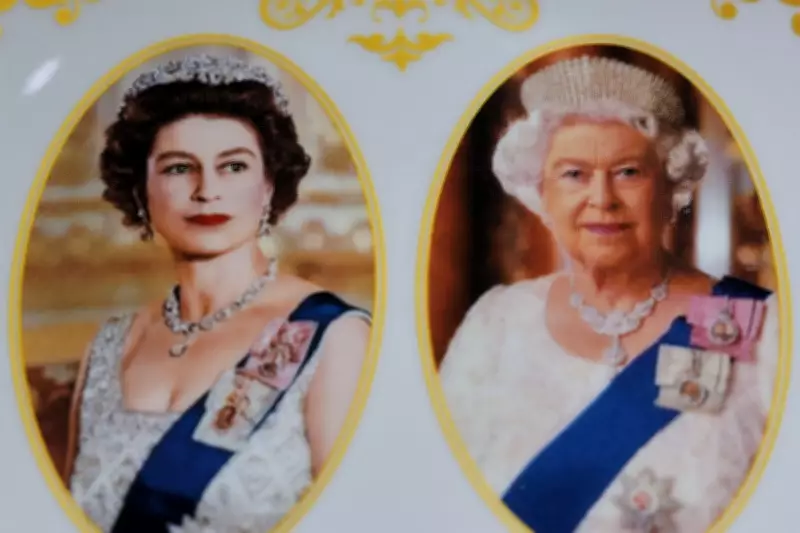
In London, a souvenirs shop recently displayed a commemorative plate featuring photographs of Queen Elizabeth II, available for sale as a tangible reminder of her enduring presence. This artifact symbolizes how her image and memory are actively preserved in British culture, serving as a bridge between historical reverence and contemporary engagement with the monarchy.
The centennial of her birth prompts reflection on how her steadfast leadership during decades of social and political change established a blueprint for royal conduct. Her reign witnessed the transformation of the monarchy from a distant, formal institution to one that, while maintaining tradition, gradually embraced more visibility and connection with the public.

Defining a Modern Monarchy
Queen Elizabeth II's approach to sovereignty emphasized continuity, duty, and adaptability. She navigated numerous challenges, including decolonization, media scrutiny, and shifting public attitudes, often serving as a stabilizing force. Her legacy includes a monarchy that, under her guidance, learned to balance ancient rituals with the demands of a modern, globalized world.
Experts note that her personal qualities—such as resilience, discretion, and a deep sense of service—have become embedded in the expectations for her successors. This influence is evident in how current royal figures are often measured against the standard she set, particularly in times of crisis or public debate.
Lasting Impact on Institutional Identity
The monarchy today operates within a framework largely shaped by Queen Elizabeth II's reign. Key aspects of her legacy include:
- A commitment to constitutional neutrality and apolitical engagement
- The evolution of royal communications to manage media relationships
- An emphasis on charitable patronage and public service as core royal functions
- The maintenance of the Commonwealth as a significant international network
As the institution moves forward, her century-old birth serves as a milestone to assess both continuity and change. The souvenirs and memorials, like the plate in London, are not merely nostalgic items but part of an ongoing dialogue about monarchy's role in contemporary society—a conversation deeply informed by Queen Elizabeth II's example.
Ultimately, 100 years after her birth, Queen Elizabeth II's legacy is not static history but a living influence that continues to guide and challenge the British monarchy, ensuring her presence is felt in both ceremonial moments and everyday reflections on royal duty.