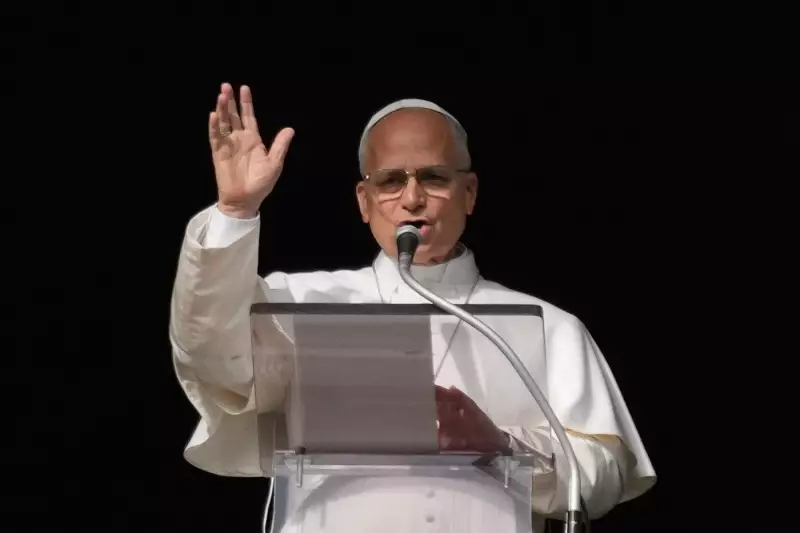
In his annual pre-Christmas greeting to the Vatican's central administration, Pope Leo XIV offered a measured and gentle critique of the internal culture within the Holy See's walls. The address, delivered on December 22, 2025, echoed the tone of past pontiffs who used the tradition to encourage reflection and reform.
A Tradition of Candid Reflection
The Pope's speech to the Roman Curia is a longstanding custom, often serving as a moment for frank assessment alongside seasonal goodwill. Pope Leo XIV upheld this tradition, choosing his words carefully to highlight areas for spiritual and administrative improvement without direct confrontation. His approach was seen as a blend of pastoral care and a call for renewal within the Church's central governing body.
Substance of the 2025 Message
While the full text contained expressions of gratitude for the Curia's work, the pontiff wove in observations about the need for humility, genuine service, and a focus on the Church's evangelical mission over institutional preoccupations. Analysts noted the address avoided harsh language but carried a clear, constructive message intended to steer the Vatican's culture away from potential pitfalls of careerism and isolation. The setting followed the Pope's recitation of the Angelus noon prayer in St. Peter's Square on Sunday, December 21, 2025.

Historical Echoes and Contemporary Context
The style of the critique was reminiscent of addresses by previous popes, particularly Benedict XVI and Francis, who also used the Christmas greeting to prompt self-examination. Pope Leo XIV's decision to continue this practice signals a desire for continuity in the delicate task of governing and reforming the centuries-old institution. The message arrives at a time when the global Church navigates complex social, political, and ethical challenges, making internal cohesion and clarity of purpose paramount.
The Pope's nuanced remarks are expected to be studied closely by Vatican watchers and Church officials alike, as they set a tone for the working atmosphere in the coming year. The address ultimately balanced the joy of the Christmas season with the sober responsibility of leading one of the world's oldest and most influential institutions.