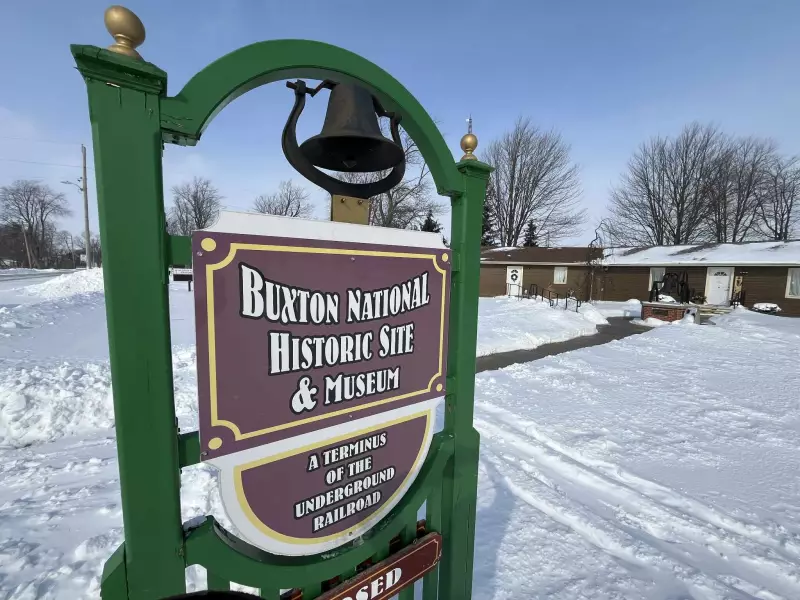
Buxton Historic Site Gains U.S. Recognition as Slavery History Preservation Questions Emerge
The Buxton National Historic Site, located in Chatham-Kent, Ontario, has been officially added to a prominent United States-based network of historic locations. This development comes at a time when questions are swirling about how Canada preserves and interprets the complex history of slavery within its borders.
A Cross-Border Connection for Historic Preservation
The inclusion of the Buxton site in the U.S. network represents a significant cross-border collaboration in historic preservation. The Buxton settlement was established in 1849 by Reverend William King as a refuge for escaped slaves from the United States, making it a crucial part of the Underground Railroad history that connects both nations.
This recognition from an American organization highlights the international importance of Buxton's story. The site has long served as a testament to the courage of those who sought freedom and the communities that supported them during one of North America's most challenging historical periods.

Preservation Challenges and Historical Complexity
The timing of this recognition coincides with ongoing discussions about how Canada addresses its own history with slavery. While Canada is often celebrated as the terminus of the Underground Railroad, the country also had its own history of slavery that persisted until 1834.
Preservation experts note that sites like Buxton present unique challenges. They must balance celebrating freedom-seeking narratives with acknowledging the broader context of slavery's impact on Canadian society. The addition to the U.S. network may bring additional resources and attention to these preservation efforts, but also raises questions about how different nations interpret shared histories.
Community Impact and Educational Opportunities
For the local community in Chatham-Kent, this development represents both an honor and a responsibility. The Buxton site has served as an educational resource for decades, offering insights into:
- The experiences of freedom seekers who traveled north to Canada
- The establishment of self-sufficient Black communities in Ontario
- The ongoing legacy of these historical events in contemporary Canadian society
With this new U.S. network affiliation, the site may attract increased visitation from both Canadian and American tourists and researchers. This could provide economic benefits to the region while also creating opportunities for expanded educational programming about this crucial chapter in North American history.
Looking Forward: Preservation in a Modern Context
As historic sites like Buxton gain international recognition, preservation organizations face the challenge of making these locations relevant to modern audiences. This involves not just maintaining physical structures, but also ensuring that the stories told are comprehensive, accurate, and meaningful to contemporary visitors.
The addition of the Buxton National Historic Site to a U.S. network represents more than just an administrative change. It signifies growing recognition of the interconnected nature of North American history and the importance of preserving sites that tell complex stories about freedom, resistance, and community building across borders.