Therapist Says Right-Wing Criticism of Michelle Obama's Fashion Comments Reveals Deeper Discomfort with Diversity
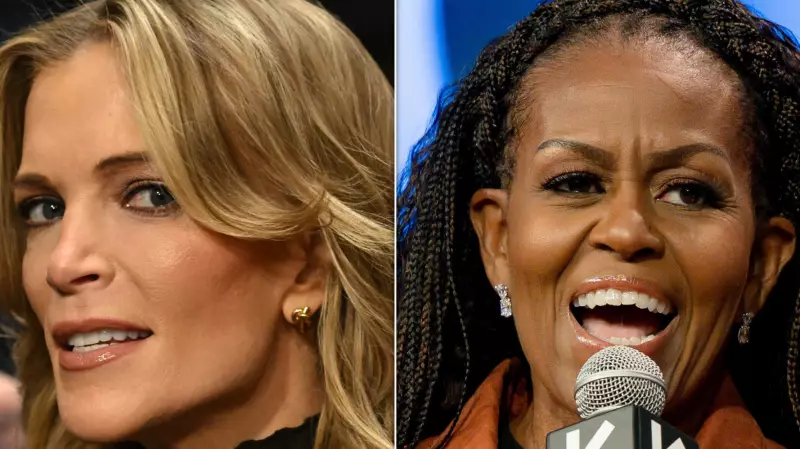
Right-wing commentator Megyn Kelly and guests on her podcast recently launched sharp criticism against former first lady Michelle Obama for discussing her efforts to include designers of color in her wardrobe. However, a licensed therapist suggests this backlash may expose more about the critics' own unease with conversations about diversity and inclusion than about Obama's actual remarks.
Podcast Segment Sparks Controversy Over Fashion Choices
During an episode of "The Megyn Kelly Show" published this week, Kelly introduced a clip from Obama's appearance on the "Storehouse & Friends" podcast where the former first lady discussed balancing her wardrobe with clothes from designers of color and encouraging mindfulness about supporting such designers.
"Michelle Obama is back in the news. She's obsessing over race again. I know you're shocked. Shocked," Kelly said before playing the clip. She later added, "Now we have to do work to make sure our closet has a diversity of designers."

Guest Will Witt argued that constant discussion of race represents a larger problem, stating, "You want racism to be solved? Just shut the hell up. You don't have to talk about these things and say anything, and there will be no bad race relations in this country."
Contradictory Consumer Choices Revealed
Fellow guest Britt Mayer called Obama's remarks "privileged," saying she lacks time to investigate the racial background of designers behind her clothing purchases. "I just buy jeans because they look good," she said, naming American Eagle as her preferred brand.
Yet Mayer revealed her own conscious shopping decisions, emphasizing the importance of buying American-made clothing while specifically avoiding products labeled as woman-owned, BiPoC-owned, or Black-owned. "I actually avoid those because they annoy me," she said. "I think it's a part of this culture that's so obsessed with race and pitting men against women."
Therapist Analyzes Misrepresentation and Defensiveness
Monica Cwynar, a licensed clinical social worker specializing in trauma and coping skills, believes Kelly and her guests fundamentally misrepresented Obama's comments. She noted that Kelly's YouTube segment was titled "Michelle Obama Says Everyone MUST Make Sure Their Closet Has Black Designers [In] It," which Cwynar says turns advocacy into a mandate that Obama never presented.
"This sensational framing mischaracterizes Mrs. Obama's intent, to portray her as a militant Black woman, suggesting obligation rather than encouraging awareness and appreciation," Cwynar told HuffPost. "Such misrepresentation can provoke outrage, reinforcing existing biases and creating a divisive narrative."
Cwynar observed that Mayer's contradictory shopping preferences highlight the inconsistency in the criticism, since both women are discussing personal consumer choices. The therapist suggests the podcast reaction reveals "discomfort" with engaging in diversity efforts and "an inclination to maintain existing power structures rather than challenge them."
Systemic Challenges in Fashion Industry
During her original podcast appearance, Obama acknowledged the fashion industry's challenges, particularly for Black designers and designers of color facing unique systemic barriers. She recognized that consumers dealing with high living costs must prioritize affordability but explained that as someone with access to various brands, she consciously balances her wardrobe.
Shaun Harper, a professor at the University of Southern California, emphasized that Obama's critics "reflect either a lack of understanding about or blatant disregard for the realities of underrepresentation among designers of color in high-profile spaces."
Harper noted that Obama, as a Black woman with significant influence, "could instantly catapult the careers of Asian American, Black, Indigenous, and Latino designers" by wearing their creations, while white designers typically don't need such exposure due to systemic advantages.
Historical Context and Lasting Impact
The fashion industry has historically been overwhelmingly white and male. In 2019, CNN reported that fewer than 4% of Council of Fashion Designers of America members listed on its website were Black.

Cwynar warned that downplaying the importance of supporting designers of color "perpetuates systemic inequalities and overlooks the challenges faced by underrepresented groups." She highlighted the pivotal roles people of color have played throughout fashion history, from the Harlem Renaissance to contemporary streetwear.
"Public discourse plays a crucial role in shaping societal norms and opinions, and stifling discussions around inclusivity can reinforce the silencing of these voices," Cwynar emphasized.
The therapist ultimately questioned why Obama's platform usage receives such scrutiny, asking, "How is this taking away from anyone?" The exchange reveals ongoing tensions in discussions about race, privilege, and representation in both fashion and broader society.