Toronto Man Convicted in Teen's Drug-Related Kidnapping Claims He's the Real Victim
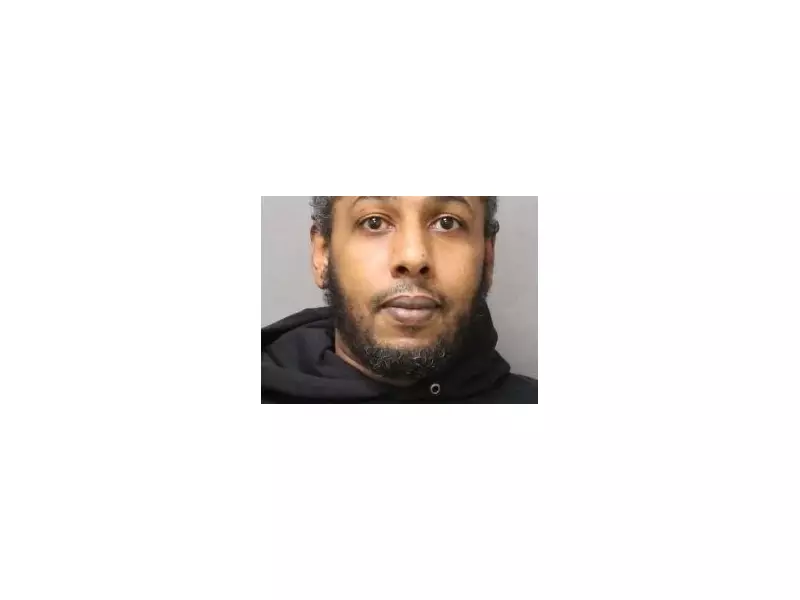
In a startling courtroom development, a Toronto man convicted for his involvement in the terrifying kidnapping of a 14-year-old boy has declared himself the true victim of the case. Samir Abdelgadir, 44, stood before Superior Court Justice Sandra Nishikawa and argued that he has suffered more than the teenager who was abducted and held for 36 hours in March 2020.
The Terrifying Kidnapping Ordeal
The case centers around a violent abduction that occurred outside the victim's North York home. The 14-year-old boy was grabbed, thrown into a Jeep, and blindfolded with a T-shirt. His wrists were zip-tied and his ankles bound with red rope as he was taken to a vacant mansion where he would spend the next day and a half in captivity.
The kidnapping was orchestrated to pressure the boy's half-brother, Olalekan Osikoya, who had stolen 90 kilograms of cocaine from drug traffickers. According to court testimony, Osikoya had been working as a drug courier for Abdelgadir and others, earning $10,000 monthly before his payments became irregular. In response, he stole the massive cocaine shipment in June 2019, sold portions to another dealer, pocketed $500,000, and fled the country.

Victim's Lasting Trauma
In his victim impact statement, the now-teenager described how the experience fundamentally changed him. "I went from feeling young and free to just tainted and dying," he wrote. "I still can't believe that someone wanted me dead/hurt at all. At that age, I didn't even think I could die!"
The victim's screams during the abduction were so loud that neighbors called police, yet his school never reported his absence, leaving authorities unaware anyone was missing. During his captivity, videos showing him tied up and whimpering were sent to his half-brother with threatening messages demanding the return of the stolen drugs.
The terrified boy was eventually released on a rural property in Brampton, wearing nothing but a reflective construction shirt and his underwear. He now attributes his parents' separation and his mother's death from cancer to the trauma of his kidnapping, stating that his carefree personality is "gone forever."
Defendant's Controversial Claims
Despite being convicted nearly a year ago for his integral role in planning and facilitating the kidnapping, Abdelgadir has repeatedly delayed his sentencing. When finally given the opportunity to speak in court, he presented himself as the wronged party.
"I suffered a lot, mentally. I keep getting charged and harassed by police officers for things I never do," Abdelgadir told the court while sniffling in his parka. "I sympathize with the family and the victim, but I didn't do this. I think we're both victims in this situation."
His defense lawyer, Glenn Orr, attempted to secure yet another sentencing adjournment and argued that Abdelgadir should receive no more than five years in prison before pre-sentence credits. Orr claimed his client was a victim of anti-Black racism and had endured six years of stringent bail conditions.
Prosecution's Position
Crown attorney Erin Pancer presented a starkly different perspective, emphasizing that the teenager was "an innocent 14-year-old who had no role in any of his half-brother's actions." She detailed how drug traffickers had tried everything to locate Osikoya, even offering a bounty on his head, before deciding to take his younger half-brother as leverage.
Pancer argued that Abdelgadir played neither a fleeting nor insignificant role in the kidnapping, having been involved in planning long before the abduction occurred and working to ensure nothing would lead back to him afterward. While acknowledging he wasn't the ringleader or the person who physically grabbed the boy, she urged Justice Nishikawa to sentence him to 16 years in prison with two-for-one credit for his 175 days in custody.
Case Resolution Pending
Of the five men originally charged with the kidnapping, Abdelgadir remains the only one convicted. Justice Nishikawa has reserved her decision on sentencing, leaving both the victim and the convicted man awaiting closure in a case that highlights the devastating human cost of drug-related violence.

The proceedings reveal a disturbing contrast between the lasting psychological damage suffered by an innocent teenager and the self-proclaimed victimhood of a convicted participant in his abduction. As Toronto continues to grapple with organized crime and drug-related violence, this case serves as a sobering reminder of how criminal enterprises can devastate multiple lives across generations.