A sweeping investigation by the National Post has uncovered a profound transformation underway within Canada's national museum system. The report indicates these institutions, once dedicated to presenting historical artifacts and documents, are increasingly being reshaped into platforms for examining the nation's colonial past.
The Policy Driving the Change
According to the National Post's findings, the federal government initiated an update to the national museum policy in 2022. The consultation process for this policy shift focused on several key themes, including the role of heritage institutions in modern society, advancing reconciliation with Indigenous peoples, and embracing principles of equity, diversity, and inclusion.
Columnist Jamie Sarkonak, who contributed to the series, notes that input was sought not only from historical institutions but also from various advocacy groups. This approach has sparked debate, with critics arguing that it risks compromising the impartiality of historical presentation in favor of specific narratives. Sarkonak highlighted one particularly stark anonymous quote featured in a consultant's report, which stated that "museums are absolutely implicit in genocide."

Case Studies in a New Narrative
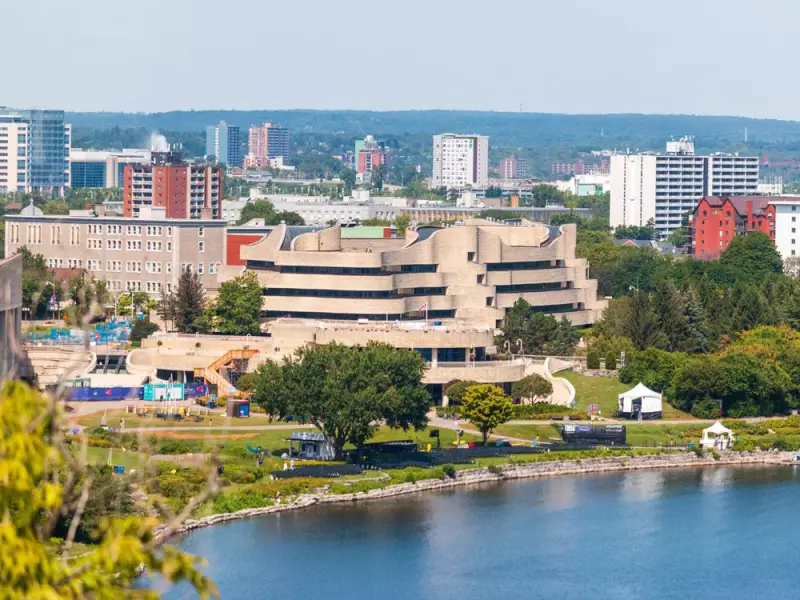
The National Post series provides concrete examples of how this philosophical shift is manifesting in exhibits across the country. At the Canadian Museum of History in Gatineau, Quebec, columnist John Robson observed what he described as a reinterpretation of historical figures. He reported that quotes from Sir John A. Macdonald are presented with a "proto-Nazi" spin, often removed from their 19th-century context.
In Winnipeg, the Canadian Museum for Human Rights is planning a new exhibit titled 'Palestine Uprooted: Nakba Past and Present.' Contributor Bryan Schwartz questioned the museum's decision to adopt the term "Nakba," which means catastrophe, without critical context regarding the establishment of the State of Israel.
Further evidence of the trend was found in Toronto, where Jesse Kline reported that Pioneer Village has been renamed The Village at Black Creek as part of a "decolonization" effort. This move symbolizes a broader reassessment of the colonial legacy, which the original editorial argued also brought foundational systems like democratically elected parliaments and courts of law.
Implications for Historical Preservation
The core concern raised by the National Post's editorial stance is that history itself is being treated as a malleable tool rather than a fixed record to be handled with care. The fear is that museums, in their new role, may prioritize contemporary advocacy over factual, nuanced storytelling.
As the federal government's museum policy review moves toward a final report, the direction appears set. The institutions tasked with safeguarding Canada's past are being steered toward a more activist role in shaping the national conversation about that past, particularly its most difficult chapters. The debate now centers on whether this represents a necessary reckoning or a politicization of heritage.