In a remarkable fusion of ancient history and cutting-edge science, a major restoration project is breathing new life into one of Rome's most iconic monuments. Using state-of-the-art laser technology, conservators are painstakingly cleaning the nearly 1,850-year-old Column of Marcus Aurelius, effectively turning back the clock on centuries of pollution and decay.
A High-Tech Approach to Ancient Grime
The restoration, which was reported on in December 2025, employs precise lasers to remove layers of black gypsum crust, vehicle emissions, and biological growth like lichen without damaging the precious marble beneath. This non-invasive method allows experts to target the grime with incredible accuracy, a significant advancement over traditional chemical or abrasive cleaning techniques that risked harming the historic stone.
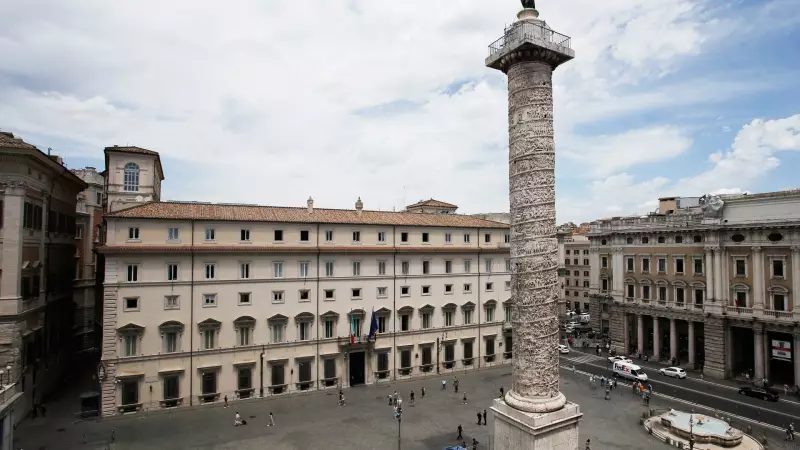
The column, erected around 193 AD to commemorate the Roman Emperor Marcus Aurelius's military victories, stands over 100 feet tall in Piazza Colonna. Its spiral reliefs depict detailed scenes of battle, but for decades, these intricate carvings have been obscured by a dark, hardened patina accumulated from urban pollution.

Revealing History Layer by Layer
The laser process works by delivering short, controlled pulses of light that cause the dark contaminants to vibrate and separate from the stone's surface. The result is a dramatic unveiling of the original Roman marble, bringing astonishing details of the sculpted frieze back into view for the first time in generations. Conservators report discovering finer lines in the carvings and subtle tool marks left by the original artisans, details completely hidden before the cleaning began.
This project is part of a broader trend in heritage conservation, where laser restoration is becoming a gold standard for delicate archaeological sites worldwide. The technology offers unparalleled control, enabling restorers to work on fragile surfaces that would be too risky to clean by any other means.
Preserving Legacy for Future Generations
The initiative goes beyond mere cleaning. Experts are concurrently conducting a detailed structural analysis and implementing measures to protect the column from future environmental damage. The goal is not to make the monument look brand new, but to stabilize it, preserve its historical authenticity, and ensure its survival for centuries to come.
The successful application of this technology on such a prominent landmark sets a powerful precedent. It demonstrates how modern scientific innovation is crucial for safeguarding our shared global heritage, allowing us to maintain a tangible connection to the distant past. As the lasers gently sweep across the ancient stone, they are not just cleaning a monument; they are actively rewriting the future of archaeological preservation.