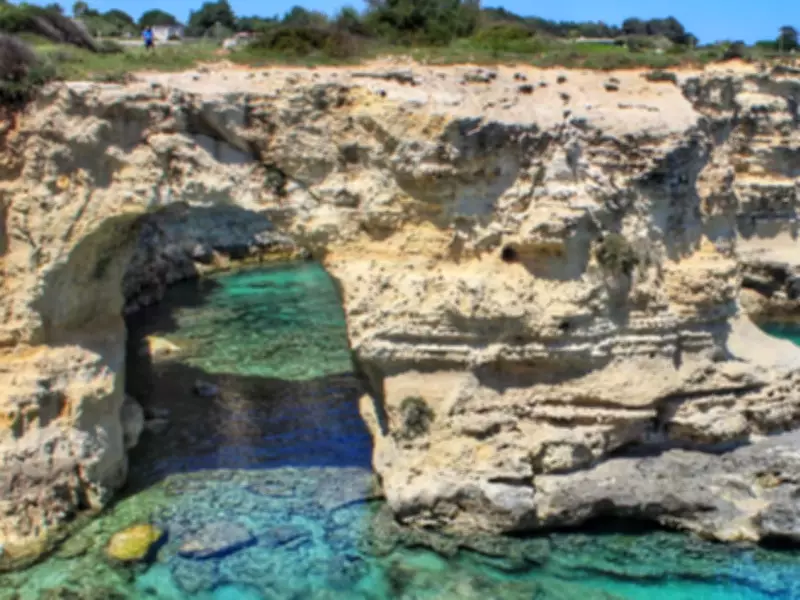
Italian 'Lovers' Arch' Collapses During Valentine's Day Storms
A centuries-old stone arch on the Italian coast, famously known as the "Lovers' Arch," collapsed during powerful Valentine's Day storms, dealing what local officials describe as a devastating blow to regional tourism and romantic traditions.
Romantic Landmark Reduced to Rubble
Located at Faraglioni di Sant'Andrea on the Salento coast in southern Italy, the natural arch had been a beloved romantic hotspot for generations. According to local legend, couples who kissed beneath the arch were destined for eternal love, making it a pilgrimage site for thousands of visitors annually.
The arch's collapse occurred over the Valentine's Day weekend when severe storms battered the Puglia region. CNN reported that the fragile structure, carved from Calcarenite stone by centuries of wind and sea erosion, could not withstand the extreme weather conditions.

Tourism and Tradition Suffer Major Loss
Maurizio Cisternino, mayor of the nearby town of Melendugno, told CNN the collapse represents "a blow to the heart" for the community. "It's a devastating blow to the image of Salento and to tourism," he stated, noting that the arch had become central to the area's identity and visitor economy.
A thriving tourism industry had developed around the landmark, with hotels and resorts catering to couples drawn to its romantic symbolism. Based on Instagram photos, thousands of couples visited the site each year, though exact numbers were difficult to track since the location was open and free to the public.
Longstanding Warnings and Climate Factors
Local residents had expressed concerns about the arch's fragility for years. In 2024, authorities applied for a $4.5 million grant to fund a preservation project addressing coastal erosion, but failed to secure the necessary funding.
"It's a tragedy we knew was inevitable, we just didn't expect it to happen so soon," Cisternino told local media on Sunday.
Environmental factors likely accelerated the collapse:
- Warmer sea temperatures contributing to erosion
- Extreme weather events becoming more frequent
- Damage from Cyclone Harry just one month earlier
- Centuries of natural weathering from wind and waves
Personal Connections and Community Grief
Local resident Lorenzo Barlato, who proposed to his wife on the clifftop overlooking the arch more than forty years ago, expressed profound sadness on social media. "I couldn't wait to return," he posted on Facebook. "Now, unfortunately, all I have left are the many beautiful photos I took of that piece of paradise."
The arch had historical significance beyond its romantic associations. Originally serving as a lookout point for pirates, it transformed into a beacon for lovers starting in the 1700s.
Broader Weather Context in Italy
The collapse occurred during weeks of intense storms across Italy. Other weather-related incidents included:
- A landslide in Sicily where houses fell into a ravine in Niscemi
- Flooding that claimed several lives, including a man whose house collapsed near Rome
- Widespread damage from high winds and heavy precipitation
Puglia tourism councillor Francesco Stella described the arch's fragments drifting out to sea as "like a funeral" for the beloved landmark.
Officials now face the challenge of addressing both the physical loss of the arch and its significant cultural and economic impact on the Salento region.