U.S. Vice-President JD Vance has publicly addressed and dismissed ongoing speculation regarding the state of his marriage. The political figure made his stance clear while attending a significant official event in Washington.
High-Profile Appearance Amid Rumors
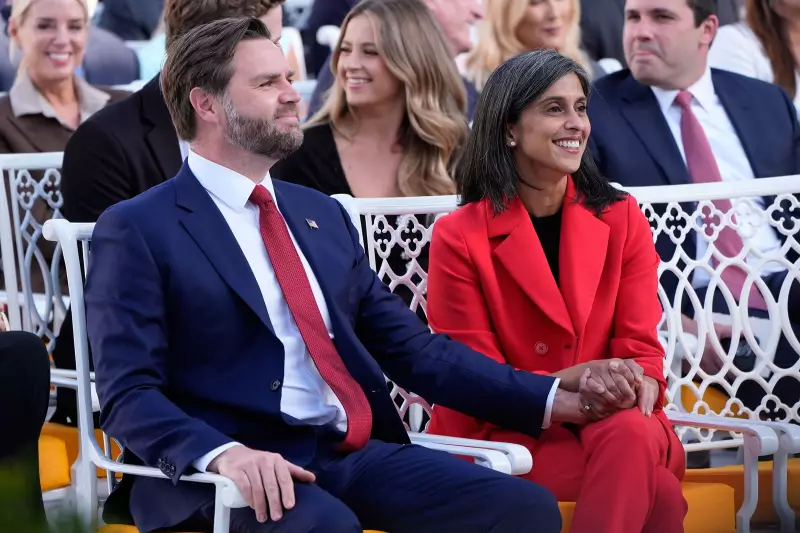
The Vice-President was seen alongside his wife, Usha Vance, at a poignant ceremony held on October 14. The event, which took place in the White House Rose Garden, was for the posthumous awarding of the Presidential Medal of Freedom to Charlie Kirk. Official photographs from the occasion, captured by Mark Schiefelbein for The Associated Press, show the couple together at the high-profile gathering.
Vance's Response to Personal Questions
When confronted with questions about rumors concerning his personal life, Vance chose to brush them aside. His focus remained on his public duties and the solemn event at hand. The Vice-President's decision to attend the ceremony with his spouse was seen by many observers as a subtle but firm rebuttal to the swirling gossip.

This incident highlights the intense scrutiny faced by public figures and their families, where personal lives often become subjects of public discussion. Vance's approach was to neither engage deeply with the speculation nor let it overshadow the official purpose of the day.
The Context of Public Life
For politicians like JD Vance, navigating the boundary between public service and private life is a constant challenge. Events such as the Medal of Freedom award ceremony are typically focused on honoring national contributions, yet the presence of family members can inadvertently shift some media attention. The Vice-President's handling of the situation demonstrates a common strategy: acknowledging the noise without giving it further oxygen.
The ceremony itself was a key moment, recognizing the legacy of Charlie Kirk. The presence of the Vice-President and the Second Lady underscored the event's importance, even as peripheral personal narratives attempted to surface.