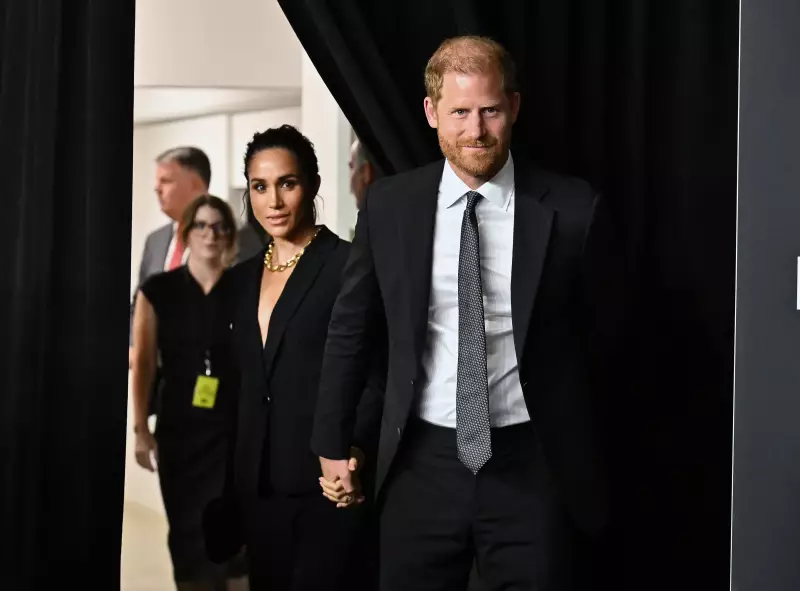
As the new year of 2026 begins, a pressing deadline looms for the British Royal Family. According to royal commentator Afua Hagan, the monarchy finds itself at a critical juncture where it cannot afford to postpone a reconciliation with the Duke and Duchess of Sussex any longer. The analysis, published on January 4, 2026, outlines compelling reasons why this year is pivotal for healing the well-documented rift.
The Mounting Pressure for a Unified Front
The piece, which appeared alongside major Canadian news headlines, posits that the ongoing strain between the senior working royals and Prince Harry and Meghan Markle is unsustainable. The couple, photographed attending the World Mental Health Day Gala in New York in October 2025, continue to build their independent public profile. This separate path, argues Hagan, creates a narrative of division that ultimately weakens the institution's global standing and public perception.
The call for reconciliation is not merely about family harmony; it is framed as a strategic imperative. The monarchy must present a cohesive image to navigate future challenges, including transitions in leadership and maintaining relevance with younger, global audiences. The year 2026 is presented as a now-or-never moment to begin mending fences before the divide becomes irrevocably cemented.

Beyond the Headlines: The Stakes for the Monarchy
Hagan's analysis suggests that the cost of continued estrangement is multifaceted. It impacts the family's private dynamics, the public's trust in the institution, and even the narrative control around the royal brand. With Harry and Meghan establishing their life and charitable work in North America, the longer the separation continues, the harder it will be to reintegrate their story into the broader royal framework.
The article implies that a resolution would allow the Royal Family to move forward from the drama of recent years and focus on its modern duties. It would also neutralize a persistent source of negative media scrutiny, allowing attention to shift back to the monarchy's charitable endeavors and public service roles.
A Critical Timeline for Change
By pinpointing 2026, the commentary introduces a sense of urgency. It is a year that may represent a last window of opportunity for a meaningful reconciliation before both sides become too entrenched in their separate lives and narratives. The analysis serves as a stark reminder that time is not an infinite resource for the Windsors, and proactive steps toward unity are essential for the long-term health of the monarchy.
Ultimately, Hagan's argument concludes that the Royal Family's resilience has always depended on its ability to adapt and evolve. Addressing the Sussex situation head-on in 2026 is framed not as a concession, but as a necessary act of modern governance and familial pragmatism for an institution that must look to its future.