In an unusual blend of state politics and popular culture, Russian President Vladimir Putin recently shared the screen with animated characters from a beloved domestic cartoon. The event, which featured the president interacting with a talking cat and dog, represents a notable moment where Kremlin messaging intersects with children's entertainment.
A Meeting of Real and Animated Worlds
The encounter took place in a segment that aired on Russian media. President Putin, a figure typically associated with formal state affairs and military addresses, was shown engaging directly with the cartoon animals. The specific cartoon from which the characters originate enjoys widespread popularity across Russia, making its characters recognizable to millions of families and children.
This is not the first time Putin has utilized media and cultural symbols to craft his public image, but a direct interaction with animated figures marks a distinct approach. The segment was presented as a light-hearted exchange, diverging from the more solemn tone often seen in official presidential communications.

Context and Timing of the Appearance
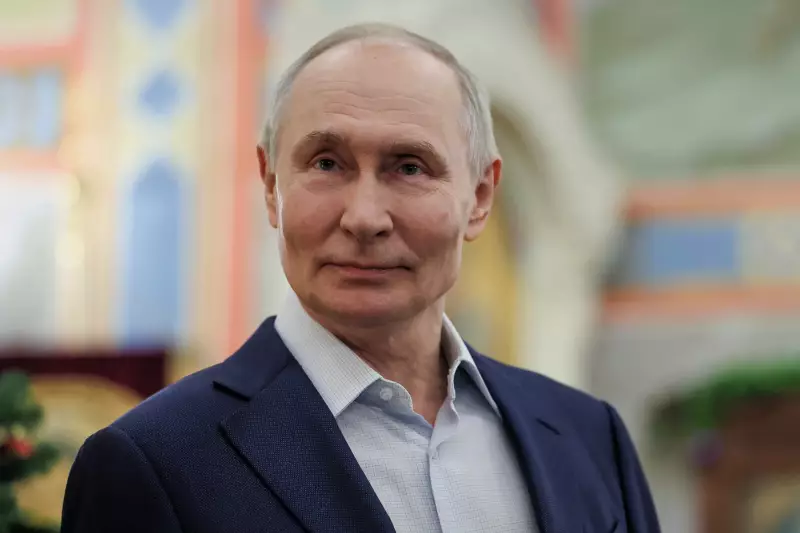
The animated meeting occurred against a complex geopolitical backdrop. Earlier on Wednesday, January 7, 2026, President Putin was photographed speaking to military personnel and their families after an Orthodox Christmas service at the Church of Great-Martyr St. George the Victorious in Solnechnogorsk-2, outside Moscow.
The juxtaposition of these two events—one solemn and traditional, the other playful and modern—highlights the multifaceted nature of political communication strategies. The cartoon segment can be seen as an effort to present a more relatable, accessible side of the leadership, potentially aiming to connect with a younger demographic or soften the president's image amid ongoing international tensions.
Analysis of the Cultural-Political Strategy
Political analysts often note the careful construction of media moments in Russia. The decision to feature Putin with characters from a popular Russian cartoon serves multiple potential purposes. Firstly, it reinforces a sense of national cultural identity, promoting homegrown entertainment over Western imports. Secondly, it normalizes the president's presence in all aspects of daily life, including children's media.
Such strategies are not unique to Russia; leaders worldwide have appeared in comic or animated formats to enhance their appeal. However, the specific choice of a talking cat and dog, likely from a show known for its simple humour or moral lessons, creates a particularly sanitized and friendly frame for the head of state.
The production value and integration of the president into the animated world appeared seamless, suggesting significant coordination between the cartoon's producers and the presidential administration. This level of synergy indicates how pop culture platforms can be leveraged for state objectives.
While the immediate content of the conversation was presented as apolitical and humorous, the underlying message is one of omnipresence and connection to all facets of Russian society, from the church and military to the living room television. It represents a modern tool in a long-standing playbook of using media to shape public perception and maintain a broad base of visibility.