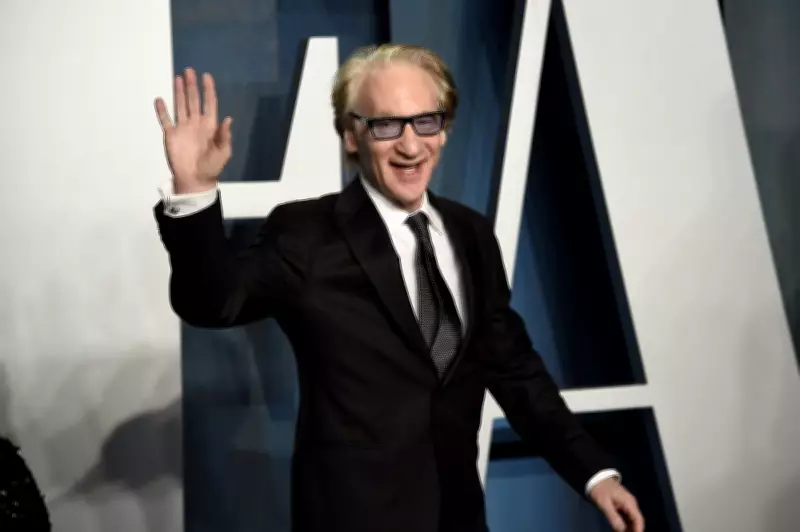
Bill Maher Takes Aim at Billie Eilish's Grammy Speech Controversy
In a recent episode of his HBO program Real Time, comedian and political commentator Bill Maher delivered a scathing critique of singer Billie Eilish's politically charged acceptance speech at the Grammy Awards. The controversy centers on Eilish's comments about immigration and Indigenous land, which Maher characterized as uninformed "virtue signaling."
The Grammy Speech That Sparked Debate
During the prestigious music awards ceremony, the 24-year-old recording artist used her platform to make pointed remarks about U.S. immigration policy. "I feel really hopeful in this room, and I feel like we need to keep fighting and speaking up and protesting," Eilish declared from the stage. "Our voices really do matter, and the people matter. And f— ICE, that's all I'm gonna say, sorry."
Eilish further elaborated on her position by stating there are "no illegals on stolen land," a reference to the historical displacement of Indigenous peoples in North America. These comments immediately drew both support and criticism from various quarters of the entertainment and political worlds.

Maher's Direct Response to Eilish
Bill Maher addressed the singer's remarks directly during his Friday night broadcast, questioning both the substance and wisdom of her statements. "She said, 'It's hard to know what to say,'" Maher noted, referencing Eilish's own words. "Which I wouldn't say. Then don't say anything — because you don't know things. So you didn't go to school, I don't think. And you don't know facts."
The veteran television host, known for his provocative commentary, challenged the practical implications of Eilish's position. "What's the practical next step if you say there is no such thing as illegal people on stolen land?" Maher asked rhetorically. "Do we just go back to living in teepees?"
Indigenous Community Weighs In
The controversy took an additional layer when the Tongva tribe, the Indigenous inhabitants of the Los Angeles Basin where Eilish owns a multimillion-dollar mansion, responded to her comments. A tribal spokesperson told media outlets that while they appreciate public figures bringing attention to Indigenous history, they would prefer more explicit acknowledgment.
"Eilish has not contacted our tribe directly regarding her property," the spokesperson stated. "We do value the instance when public figures provide visibility to the true history of this country." The tribe suggested that when discussing "stolen land," public figures should specifically reference the Indigenous communities connected to those territories.
Celebrity Reactions and Defenses
The debate quickly expanded beyond Maher's criticism, drawing responses from other prominent figures. Canadian investor and television personality Kevin O'Leary offered his own blunt assessment, telling Eilish to "shut your mouth and just entertain" following her Grammy comments.
This prompted a fierce defense from actor Mark Ruffalo, best known for playing the Hulk in Marvel's Avengers films. The Oscar-nominated performer directly challenged O'Leary on social media, writing: "Kevin O'Leary why don't you STFU. You will go on any show and talk s–t about any number of things and smugly expect us to listen to you, but you will dig into a real artist that dwarfs anything you dream of doing for actually saying something that resonates with 100's of millions of people the world over."
Broader Context of Political Statements at Awards Shows
Eilish was not alone in using the Grammy platform for political commentary. Several other artists made statements critical of U.S. President Donald Trump and his administration's immigration policies during the broadcast. This continues a longstanding tradition of awards shows serving as platforms for social and political commentary, though the effectiveness and appropriateness of such statements remain subjects of ongoing debate.
Maher drew a comparison between Eilish's remarks and controversial chants heard at protests, suggesting both represent impractical political positions. "The people of Los Angeles will not move, and neither will all Israelis from Gaza," he stated, connecting the immigration debate to broader geopolitical conflicts.

The Homeschooling Background Factor
An interesting dimension to the controversy involves Eilish's educational background. The singer was homeschooled by her parents, a fact that Maher referenced in his criticism. This detail has added fuel to discussions about the relationship between formal education, political knowledge, and the authority of celebrity voices in public discourse.
The debate raises fundamental questions about the role of entertainers in political conversations, the responsibilities that come with celebrity platforms, and the complex intersections of immigration policy, Indigenous rights, and land acknowledgment in contemporary society.