Edmonton Residents Clash Over Infill Development Strategy at Contentious Committee Meeting
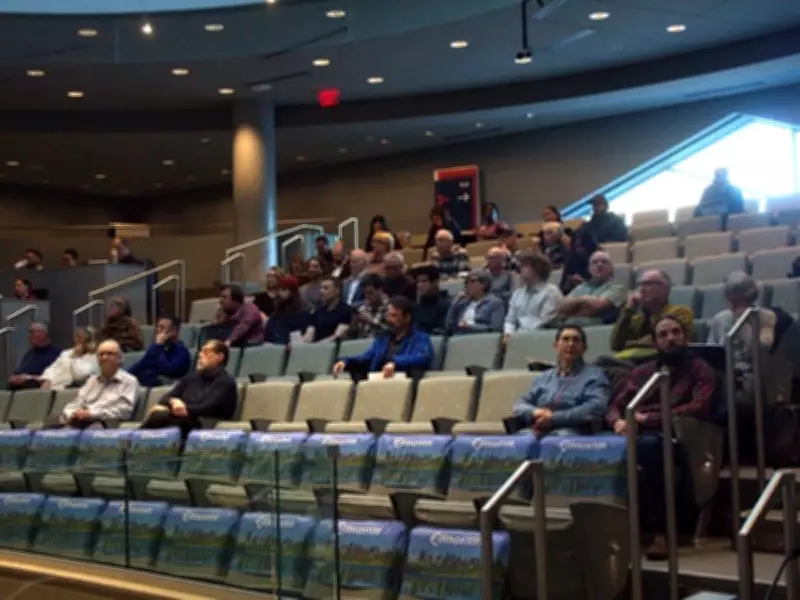
Edmonton's urban planning committee witnessed a dramatic showdown as nearly 75 residents registered to speak during a packed meeting, presenting passionate arguments both supporting and opposing the city's two-year-old infill development strategy. The heated debate centered on proposed amendments to Edmonton's zoning bylaws, revealing deep divisions within the community regarding the future of urban development.
Homeowner Concerns Over Neighborhood Impacts
One of the most vocal critics was Seigfried Kirchner, a west Meadowlark homeowner who expressed frustration about how infill development has compromised his $125,000 investment in green home improvements. Kirchner detailed how his property now faces significant shading issues from nearby developments, rendering his $36,000 solar system ineffective and undermining his substantial investments in R10 insulation and upgraded windows.
"Now we have a $36,000 solar system that's never going to pay us back," Kirchner told the committee. "There has to be more talk with the current residents that have been there for all this time. I understand there has to be infill in the city and I am for it, but I believe that us as current homeowners, especially ones that have been in their property for 30 years plus, I think they have to be consulted about what changes can and will be brought into their neighbourhoods before they just jump in and do it."

Kirchner argued that the proposed amendments to reduce maximum suites on inner city lots from eight to six units don't adequately address neighborhood concerns. He advocated for limiting denser housing to major roadways rather than allowing it throughout established residential areas.
Supporters Champion Housing Affordability and Accessibility
Countering these concerns were numerous renters and young homeowners who took time off work to defend the current infill strategy. They emphasized how the policy has helped keep rents affordable and enabled younger Edmontonians to find housing in desirable central neighborhoods.
Brad Thiessen shared his personal experience: "My family was only able to move to the inner city because of infill. My family's life is better because we're able to live more centrally." He criticized the proposed amendments as "trying to solve the wrong problem."
Housing advocate Jacob Dawang from Grow Together Edmonton presented compelling statistics, noting that properties redeveloped into five-to-eight unit buildings in 2025 represented just 0.39 percent of properties inside Anthony Henday Drive. He called for removing the eight-unit limit entirely and expanding infill development opportunities near major transit centers.
The Core Debate: Balancing Development with Preservation
The committee meeting revealed fundamental tensions between competing priorities:
- Long-term homeowners seek greater consultation and protection of neighborhood character
- Housing advocates emphasize the need for increased density to address affordability
- City administration attempts to find middle ground through measured policy adjustments
Supporters of the current infill strategy argued that reducing allowed units wouldn't change building types but would simply make individual units more expensive, potentially exacerbating Edmonton's housing affordability challenges. They pointed to rule changes implemented last July designed to address property encroachment concerns, noting that the full effects of those adjustments haven't yet been observed.
The urban planning committee now faces the difficult task of reconciling these competing perspectives while advancing Edmonton's broader City Plan objectives. The passionate testimony from nearly 75 residents demonstrates how deeply Edmontonians care about the future development of their neighborhoods and the complex balancing act required in urban planning decisions that affect both established communities and newcomers seeking affordable housing options.