Jake Paul Implies Social Media Breach Following Super Bowl Comments Controversy
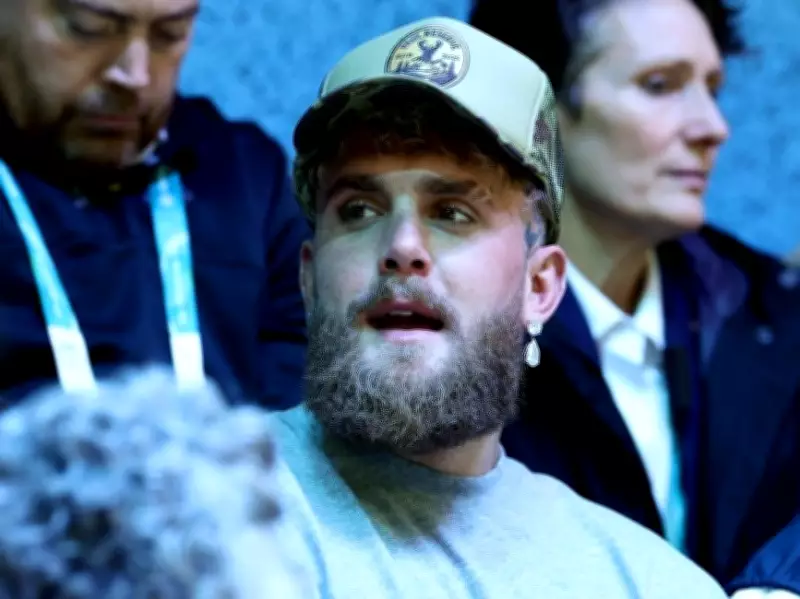
American influencer-turned-professional boxer Jake Paul has suggested his X account may have been targeted by hackers after facing significant online backlash for comments directed at Latin music superstar Bad Bunny. The controversy erupted just before Super Bowl LX, creating a social media firestorm that drew responses from Paul's own brother and required multiple clarifications from the polarizing figure.
The Initial Controversy and Alleged Account Compromise
On Monday morning, February 10, 2026, Paul posted a message on his X account stating: "Guys i love bad bunny idk what happened on my twitter last night??wtf." This post came after a weekend of contentious social media activity where Paul had criticized Bad Bunny's scheduled Super Bowl halftime performance. The timing and nature of Paul's Monday morning post strongly implied that unauthorized access to his account might explain the controversial statements made over the previous days.
Attached to Paul's Monday post were community notes from other X users who pointed out inconsistencies in his position. These notes highlighted that Paul had previously stated he couldn't support Bad Bunny and had repeatedly doubled down on those sentiments throughout the weekend.

Original Comments Spark Widespread Criticism
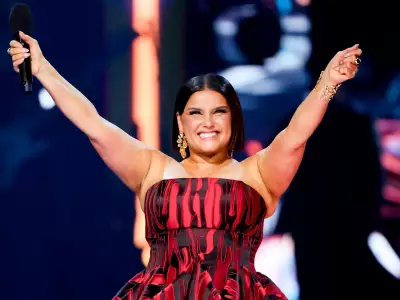
The controversy began on Sunday, February 9, when Paul posted on X that he was "purposefully turning off the halftime show" because he couldn't support what he called a "fake American citizen who hates America." Paul was specifically referring to Bad Bunny, the Puerto Rican-born artist who performed a medley of his Spanish-language hits during the Super Bowl halftime show.
Paul's original tweet encouraged others to join him in turning off the halftime performance, stating: "Let's rally together and show big corporations they can't just do whatever they want without consequences... Turn off this halftime. A fake American citizen performing who publicly hates America. I cannot support that."
Community Response and Fact-Checking
The response to Paul's comments was immediate and critical. Community notes attached to his original post pointed out that residents of Puerto Rico have been American citizens since 1917, making Bad Bunny's American citizenship unquestionable. The notes also highlighted the irony of Paul's position, given that both he and his brother Logan have lived in Puerto Rico since 2021.
The backlash extended beyond community notes, with Paul's own brother Logan publicly disagreeing with the statements. Logan Paul responded on X: "I love my brother but I don't agree with this. Puerto Ricans are Americans & I'm happy they were given the opportunity to showcase the talent that comes from the island."
Paul's Attempted Clarifications
Following the widespread criticism, Paul attempted to clarify his position in multiple follow-up posts. He claimed the word "fake" had been misinterpreted, explaining that he wasn't questioning Bad Bunny's citizenship status but rather criticizing the artist's values and previous comments about the United States.
"The problem with my tweet is the word fake being misinterpreted," Paul wrote. "He's not a fake citizen obviously because he's Puerto Rican and I love Puerto Rico and all Americans who support the country. Moreso Bunny is fake because of his values and criticism of our great country."
In subsequent posts, Paul further elaborated that he would "publicly speak out against anyone who criticizes" U.S. Immigration and Customs Enforcement (ICE) or engages in what he perceives as "openly hating on America." He emphasized his support for Puerto Rico while maintaining his criticism of those who benefit from American platforms while publicly expressing disagreement with certain U.S. policies.
Olympic Distraction and Personal Celebration
As the controversy continued to generate attention, Paul shifted focus to his personal life, using social media to support his fiancée, Dutch speedskater Jutta Leerdam. On Monday, Leerdam won gold in the 1,000-meter race at the Milano Cortina 2026 Winter Olympics, with Paul in attendance at the Milano Rho Ice Hockey Arena in Milan, Italy.

Paul had posted supportive messages before the race and shared emotional reactions afterward, including a photo of himself carrying Leerdam while she wore her gold medal. "We just witnessed one of the most important sporting moments ever," Paul wrote following the victory. "Words can't describe how proud of you I am."
The timing of these celebratory posts about Olympic success appeared to serve as a strategic distraction from the ongoing controversy surrounding his comments about Bad Bunny and the subsequent suggestion that his X account might have been compromised.
Broader Context and Implications
This incident highlights several contemporary issues in digital culture and celebrity influence:
- The power and reach of social media platforms in amplifying celebrity opinions
- The role of community fact-checking features in addressing misinformation
- The complex relationship between public figures and the platforms they use to communicate
- The ongoing discussions about Puerto Rico's status and the citizenship rights of its residents
- The strategic use of personal milestones to redirect public attention during controversies
Paul's suggestion of a possible account hack raises questions about digital security for high-profile social media users and the credibility of claims regarding unauthorized access when controversial statements are made. The incident also demonstrates how quickly social media controversies can escalate, drawing responses from family members and requiring multiple rounds of clarification from the original poster.
As of publication, no independent confirmation of unauthorized access to Paul's X account has been provided, leaving the public to weigh the credibility of his hacking claims against the pattern of his social media behavior and subsequent clarifications.