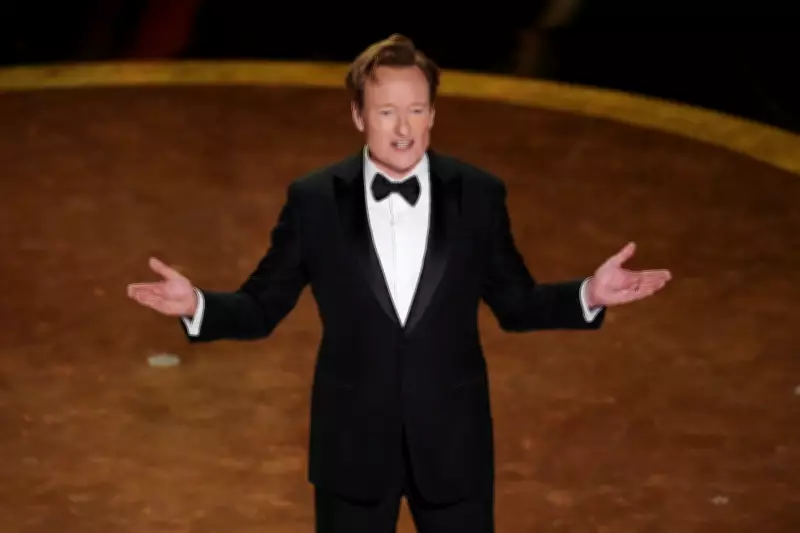
Conan O'Brien, the comedian and former late-night talk show host, has been selected to deliver the commencement address at Harvard University, according to an announcement made Wednesday. The event comes at a time of heightened political tension, as Harvard finds itself embroiled in a ongoing battle with the Trump administration over federal funding and academic freedom.
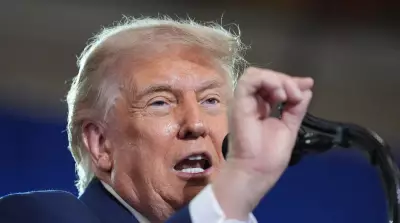
University's Conflict with Trump
The Ivy League institution has been at odds with the Trump administration over several issues, including policies on diversity, immigration, and research funding. In recent months, the university has faced threats of funding cuts and increased scrutiny from federal agencies. The choice of O'Brien, a Harvard alumnus known for his sharp political satire, is seen by many as a subtle jab at the administration.
O'Brien's Connection to Harvard
O'Brien graduated from Harvard in 1985 with a degree in history and literature. He has maintained ties to the university, serving on the board of the Harvard Lampoon and occasionally guest-lecturing. In a statement, O'Brien expressed excitement about returning to campus, saying, "I'm honored to speak at Harvard's commencement, even if it means I have to wear a robe that makes me look like a confused wizard."

The commencement is scheduled for May 28, 2026, and will be held in Harvard Yard. O'Brien joins a list of notable speakers in recent years, including Oprah Winfrey, Mark Zuckerberg, and former President Barack Obama.
Reactions from the Harvard Community
Student reactions have been mixed, with some praising the choice as a nod to free speech and humor, while others criticize it as a distraction from the university's political struggles. The Harvard Crimson editorial board wrote that O'Brien's selection "reflects the administration's desire to avoid controversy during a politically charged time."
Meanwhile, the Trump administration has not officially commented on the announcement, but sources indicate that the White House is monitoring the situation closely. The ongoing dispute between Harvard and the federal government shows no signs of resolution, with both sides digging in over issues of academic independence and government oversight.