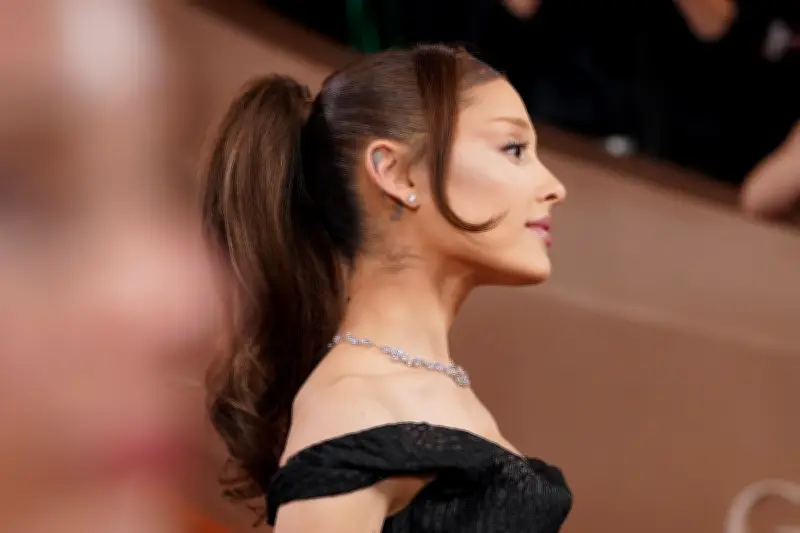
Ariana Grande has issued a direct plea to the White House, requesting that her music no longer be used in association with what she describes as 'heinous nonsense.' The pop star's statement comes amid growing concerns among musicians about the unauthorized use of their work in political contexts.
Grande's Statement
In a social media post, Grande expressed her dismay at the use of her songs in White House events and campaigns. She emphasized that her music is meant to inspire and uplift, not to be associated with divisive or harmful rhetoric. 'I have always used my platform to spread love and positivity,' Grande wrote. 'It is deeply troubling to see my art being co-opted for purposes that contradict my values.'
Legal and Ethical Implications
The issue raises questions about the boundaries of fair use and the rights of artists to control how their work is presented. While the White House has not commented directly on Grande's request, legal experts note that political entities often argue that such use falls under free speech protections. However, artists like Grande are increasingly pushing back, citing moral and contractual objections.

- Artists' Rights: Many musicians have publicly objected to their songs being used by political campaigns or government entities without permission.
- Precedents: Similar disputes have involved other high-profile artists, including Neil Young and the Rolling Stones, who have issued cease-and-desist orders against political figures.
- Public Reaction: Fans and advocacy groups have rallied behind Grande, calling for greater respect for creative autonomy.
Broader Context
Grande's plea is part of a larger trend of artists asserting control over their intellectual property. In recent years, several performers have taken legal action or issued public statements to distance themselves from political affiliations. The debate highlights the tension between artistic expression and political messaging.
What's Next?
It remains to be seen whether the White House will comply with Grande's request. Some observers predict that the controversy could lead to new guidelines or legislation regarding the use of music in official settings. For now, Grande's fans and fellow artists are watching closely, with many expressing solidarity online.
As the conversation unfolds, one thing is clear: Ariana Grande is determined to protect her music from being used in ways she finds objectionable. 'My songs are meant to heal, not to harm,' she said. 'I will continue to speak out against any misuse of my art.'