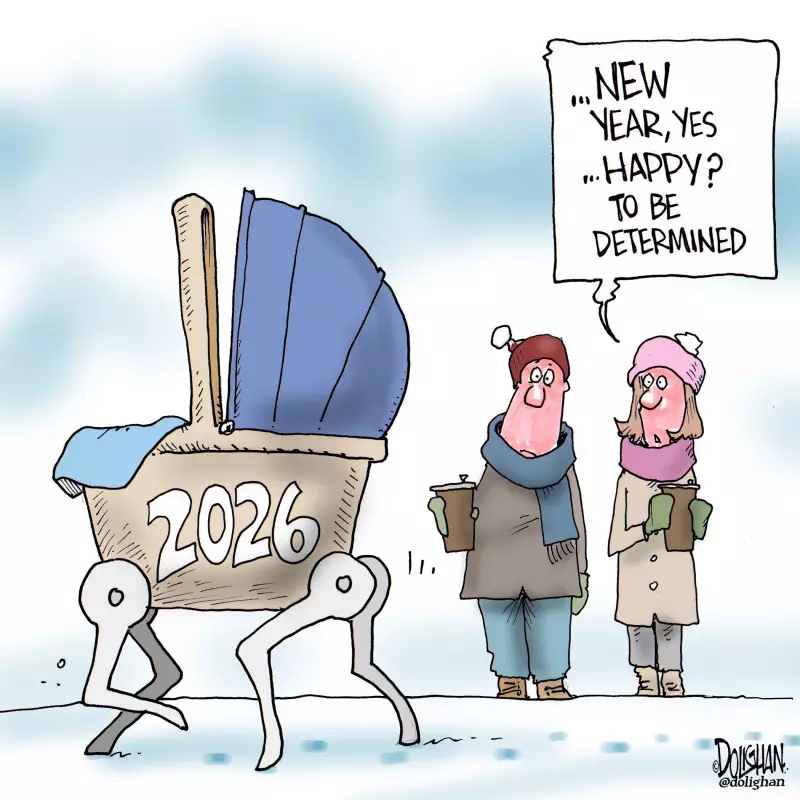
The latest editorial cartoon from renowned artist Tim Dolighan, published on January 3, 2026, has become a focal point in the ongoing conversation about access to journalism in Canada. The cartoon itself, featured in the Toronto Sun, was presented alongside prominent prompts for readers to subscribe, underscoring the financial model that many news outlets now rely on.
The Cartoon and Its Context
Tim Dolighan, a contributor to the Toronto Sun, released his first cartoon of the new year on the specified date. While the visual content of the cartoon is not described in detail in the source material, its publication framework tells a significant story about the modern media landscape. The article housing the cartoon is heavily gated, with multiple calls to action for readers to either register for free or pay for a subscription to unlock content.
This model is standard practice for the Toronto Sun and many other publications, which offer unlimited online access to articles across Canada, digital replica editions of the print newspaper known as ePapers, and exclusive analysis from their journalists as key subscriber benefits. The immediate placement of the cartoon behind this paywall on the day of publication highlights the tension between widespread public access and the economic sustainability of newsrooms.

The Subscription Model in Canadian Journalism
The promotional text surrounding Dolighan's work lays out the value proposition clearly. Subscribers are promised not just the news, but also perks like daily puzzles, including the New York Times Crossword, and the ability to support local and next-generation journalists. This approach reflects a broader industry shift away from reliance solely on advertising revenue toward a more direct relationship with the audience through memberships and subscriptions.
This content is reserved for subscribers only is a definitive statement of this new reality. The option to "continue with your reading experience" is conditional on creating an account or signing in, which allows the publication to gather data and nurture potential paying readers. The strategy emphasizes creating a seamless experience for those who pay, with benefits like additional articles per month and email updates from favorite authors.
Implications for Public Discourse and Access
The presentation of an editorial cartoon—a format traditionally meant for quick, impactful commentary on current events—within a hard paywall raises questions about the role of such content in public debate. Cartoons are powerful tools for satire and political critique, and limiting their immediate access could potentially diminish their cultural and conversational impact.
However, publishers argue that this model is essential for funding quality journalism. The plea to support local journalists is a direct appeal to readers' sense of civic duty, linking financial contribution to the health of the democratic process. The balance between monetizing content and maintaining a well-informed public remains a central challenge for media companies across Canada, as illustrated by the very page hosting Tim Dolighan's January 2026 work.
As the media industry continues to evolve, the framework surrounding this cartoon serves as a clear snapshot of the prevailing subscription-based strategy in Canadian digital news as of the start of 2026.