U.S. Book Ban Attempts Persist at Record Levels, 'Sold' Emerges as Most Targeted Title
Attempts to ban or restrict access to books in the United States have maintained their record-breaking pace, according to recent reports, highlighting ongoing debates over censorship in educational and public library settings. The novel Sold by Patricia McCormick, which addresses human trafficking and sexual exploitation, has risen to the top of the list of most frequently challenged works, reflecting broader tensions around content deemed controversial.
Unprecedented Numbers of Challenges Reported
Data indicates that the number of book ban attempts across the country remains exceptionally high, mirroring trends from previous years. This surge is driven by coordinated efforts from various groups and individuals who object to materials on grounds such as sexual content, LGBTQ+ themes, racial issues, or profanity. Libraries and schools continue to navigate these challenges, often facing intense public scrutiny and legal battles over intellectual freedom.
The consistent high volume of challenges underscores a polarized climate surrounding what literature is appropriate for young readers and community members. Advocacy organizations tracking these incidents note that while some bans are successful, many attempts are ultimately overturned after review processes, yet they still create a chilling effect on access to diverse perspectives.

'Sold' Leads as Most Frequently Challenged Book
Patricia McCormick's Sold, a harrowing novel about a Nepalese girl sold into prostitution, has become the focal point of recent censorship efforts. Critics argue that its graphic depictions and mature themes make it unsuitable for certain age groups, while supporters defend its educational value in raising awareness about global human rights issues. The book's prominence on banned lists highlights how stories tackling difficult social realities often become lightning rods in cultural debates.
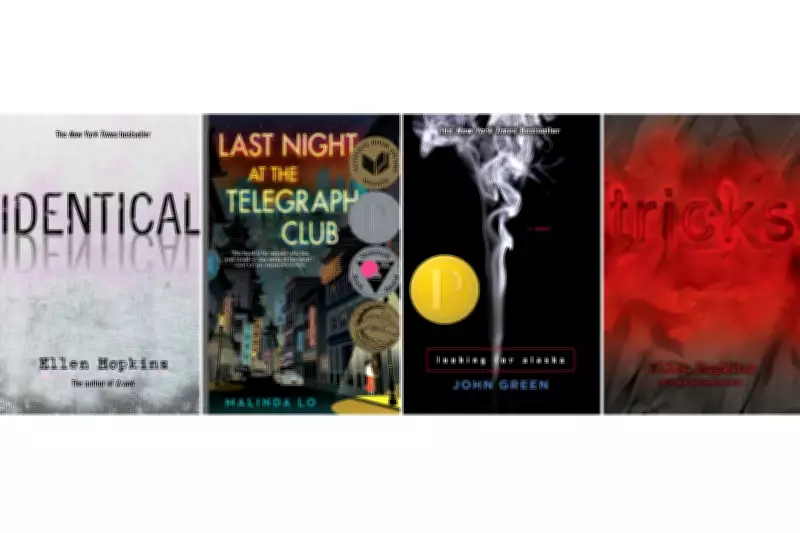
Other titles frequently appearing in ban attempts include works by authors like Ellen Hopkins, Malinda Lo, and John Green, whose books explore identity, sexuality, and adolescent struggles. These challenges are not isolated but part of a broader pattern targeting literature that deviates from traditional narratives or addresses contemporary societal concerns.
Implications for Education and Free Expression
The persistence of record-high book ban attempts raises significant questions about the impact on education and free speech. Educators and librarians express concern that removing or restricting access to such materials limits students' exposure to critical thinking and diverse viewpoints, potentially hindering their development in a multicultural world. Conversely, proponents of bans emphasize parental rights and the protection of children from content they consider harmful or inappropriate.
As these conflicts unfold, they often spill into political arenas, with legislation in some states proposing stricter controls over library collections and school curricula. The outcome of these disputes may shape the future of how literature is curated and accessed in public institutions, balancing community standards with the principles of intellectual freedom.