The Art of Architectural Revenge
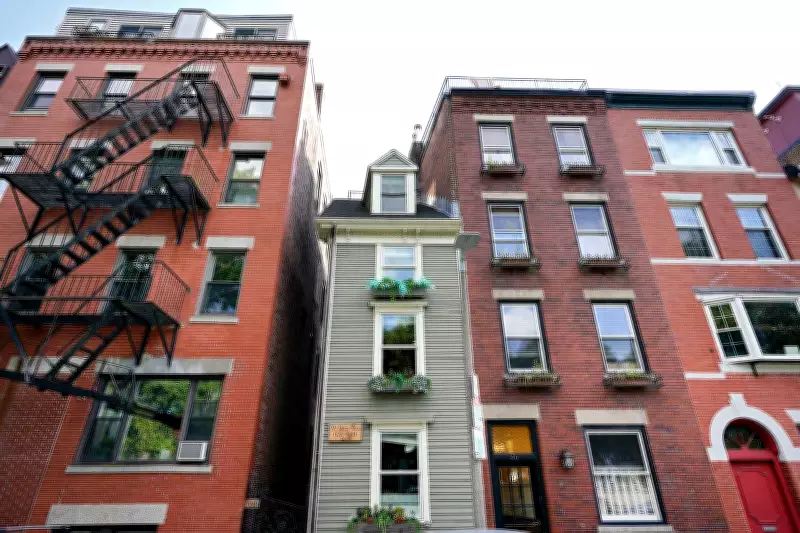
In the world of architecture, most buildings are designed with function and aesthetics in mind. But some structures are born from a different motivation: spite. These so-called 'spite houses' are built primarily to annoy neighbors, settle disputes, or make a pointed statement. One of the most famous examples is Number 44 Hull Street in Boston, a house so narrow that residents must enter from the side. This peculiar property is just one of many across America that embody the phrase 'screw you' through bricks and mortar.
What Is a Spite House?
A spite house is a building constructed to irritate a neighbor or to block a view or access. Often, these homes are unusually shaped, placed in awkward locations, or built on tiny lots. The motivations can range from personal vendettas to legal loopholes. For instance, if a landowner feels cheated in a property deal, they might erect a tall, narrow building to block the neighbor's sunlight or view. These structures are testaments to human pettiness and creativity.
Famous Examples
- The Skinny House (Boston, Massachusetts): Located at 44 Hull Street, this house is only about 10 feet wide. Legend has it that two brothers inherited a plot of land; one brother built this narrow house to spite the other, who had built a larger home on the adjacent lot.
- The Hollensbury Spite House (Alexandria, Virginia): This house is just 7 feet wide and was built in the 1830s to block an alleyway. The owner was angry that the alley was being used by noisy neighbors, so he constructed a home to seal it off.
- The Spite House of New York City: At 75 1/2 Bedford Street in Greenwich Village, this tiny house is only 9.5 feet wide. It was built in the 1870s to fill a narrow gap left after a property dispute.
Modern-Day Spite Houses
While many spite houses date back to the 19th and early 20th centuries, the concept is still alive today. In recent years, homeowners have built structures to block views of billboards, prevent development, or simply to annoy neighbors. These modern examples often make headlines, showcasing that the spirit of spiteful construction endures.

Why Do People Build Spite Houses?
Building a spite house is often a last resort for people who feel wronged. It can be a way to assert property rights, exact revenge, or make a political statement. In some cases, it's a form of protest against zoning laws or unfair business practices. While these homes may seem eccentric, they are a fascinating part of architectural history, reflecting human emotions and conflicts.
Conclusion
Spite houses are more than just oddities; they are a unique lens through which to view American history, law, and human nature. Whether driven by greed, anger, or a sense of justice, these buildings stand as monuments to the lengths people will go to make a point. So next time you see a strangely placed or unusually shaped house, consider the story behind it—it might just be a 'screw you' in architectural form.