Students at the University of Regina are poised to decide the future of their campus representation, with a pivotal vote scheduled for mid-December on a proposed new student union. The newly formed University of Regina Students’ Association (URSA) was officially unveiled last week, positioning itself as a complete organizational reset from its predecessor, the now-dissolved University of Regina Students’ Union (URSU).
A Vote for a New Beginning
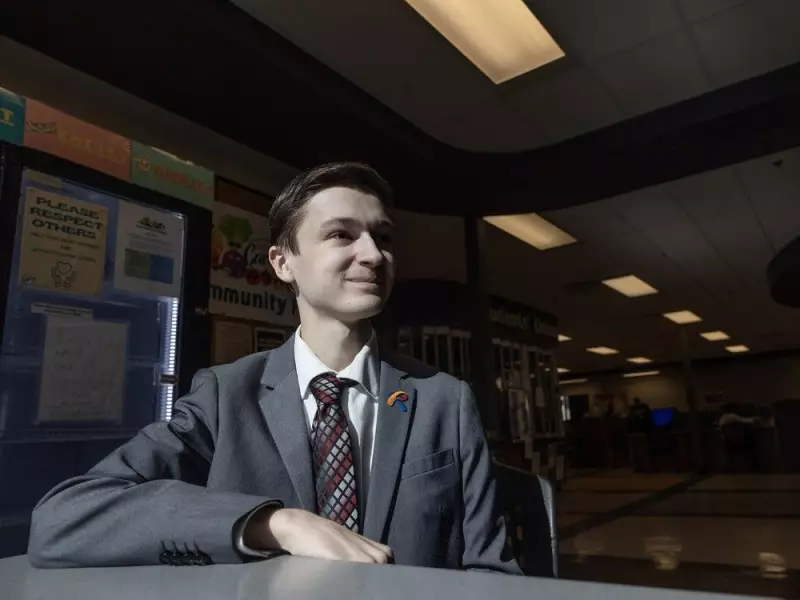
The university will host an online referendum from December 12 to 15, 2025, where the student body will determine whether to accept URSA as their official representative body. Interim president Matthew McStravick, a fourth-year political studies student, expressed gratitude for the opportunity, stating the referendum gives students the chance to "bring in representation again."
The move comes after a tumultuous year for the former URSU, which was embroiled in controversy over its financial practices, operational transparency, and a series of legal challenges. A vote to dissolve URSU passed last month, culminating in the university cutting off its funding and evicting it from campus as of September 2025.

Building a "Completely New Organization"
In a clear effort to distance itself from the past, URSA’s leadership emphasizes a foundational break. "We’re determined not to be a new URSU, that we not carry any of the legacy of URSU," McStravick told the Regina Leader-Post. "We are building out a completely new organization."
If approved by students, URSA intends to assume all former URSU responsibilities. This includes managing critical student services like the U-Pass transit system and the health and dental program. The association formed this fall from a coalition of campus clubs and societies familiar with the grievances students held against the old union.
A "Very Robust" Governance Structure
A provisional constitution for URSA, available online, outlines a governance model its creators describe as a key departure from the past. The structure mandates a five-seat executive council—comprising an elected president and four vice-presidents—alongside a general council and a board of trustees.
The general council is designed to include a student representative from each of the U of R’s federated colleges and faculties. McStravick highlights this as a critical innovation, ensuring voices from all areas of campus have a direct say in policy. He added that URSA has embedded core values and transparency measures into its framework, which he believes will create a "permanence of accountability."
The former leadership of URSU did not respond to requests for comment on the new association or the upcoming referendum. As the vote approaches, the campaign for URSA will center on its promise of a fresh start, rebuilt trust, and a governance structure crafted in response to the failures of its predecessor.