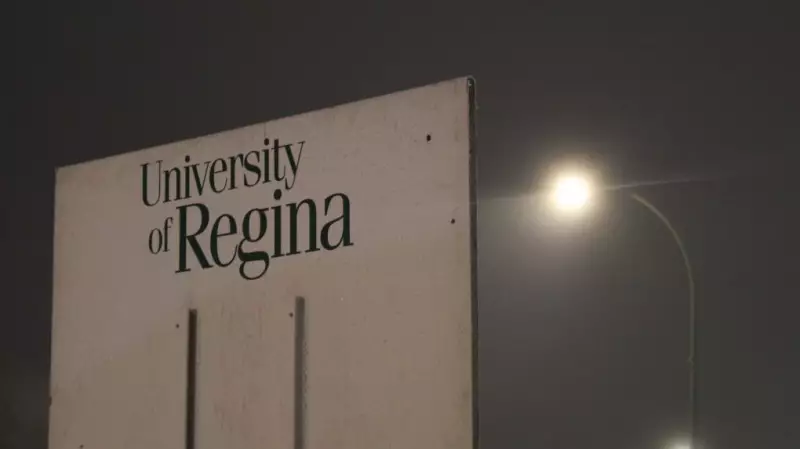
Students at the University of Regina have made a decisive choice to reshape their own representation on campus. In a landmark referendum, the student body voted to dissolve the existing University of Regina Students' Union (URSU) and replace it with a new, independent organization.
A Historic Vote for Change
The referendum, held over two days, concluded with a clear mandate for change. The final results showed that 72.5 percent of participating students voted in favour of creating a new union. This significant majority underscores a strong desire among the student population for a fresh start in their governance and advocacy structure.
The vote was conducted under the oversight of Elections Saskatchewan, ensuring a fair and transparent process. The high level of student engagement in this decision reflects the importance of the issue to the campus community in Regina.

The Path to a New Beginning
The push for a new union followed years of mounting concerns and controversies surrounding the former URSU. Students cited issues related to governance, financial transparency, and overall effectiveness as key drivers for seeking an alternative.
With the successful referendum, the old URSU is now officially dissolved. The transition to the new entity will be managed by a court-appointed administrator. This administrator's crucial role is to oversee the orderly transfer of assets, which are estimated to be worth approximately $4 million, from the former union to the newly formed one. This ensures student resources are protected during the changeover.
What This Means for U of R Students
The creation of a new students' union represents a pivotal moment for campus life at the University of Regina. The primary goal of the new organization will be to refocus on core student needs, including advocacy, services, and building a stronger sense of community.
Student leaders behind the referendum effort have expressed optimism about the future. They emphasize that this is an opportunity to rebuild trust and create a union that is truly accountable and responsive to its members. The next steps will involve establishing a new constitution and holding elections for the leadership of the fledgling organization.
This move positions the University of Regina alongside other Canadian institutions where student bodies have taken similar steps to reform their representative structures. It highlights the active role students play in shaping their own educational experience and the institutions that serve them.