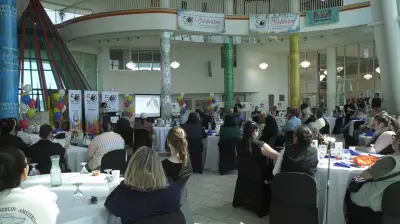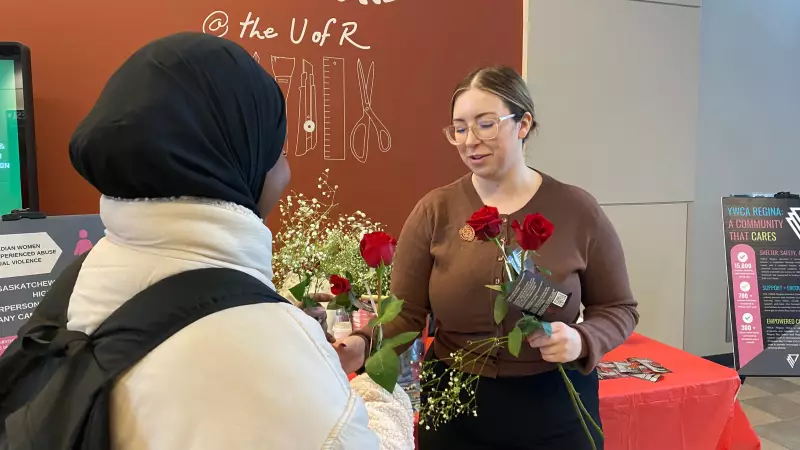
On a solemn Friday in early December, the University of Regina campus became a site of poignant remembrance. To honour the 14 female engineering students whose lives were brutally cut short, 200 roses were handed out to students, staff, and faculty.
A Legacy of Loss and Remembrance
The event marked the upcoming anniversary of the December 6, 1989, Montreal massacre. On that day, a gunman specifically targeted women at L’École Polytechnique de Montréal, murdering 14 and injuring others before taking his own life. The tragedy, now widely recognized as the deadliest mass shooting in Canadian history at the time, sparked a national conversation about misogyny, gun control, and violence against women.
The distribution of roses at the U of R serves as a tangible symbol of the lives lost. Each flower represents a gesture of mourning and respect, transforming the campus into a living memorial. The act encourages the university community to pause and reflect on the enduring impact of the event, which continues to resonate across Canada more than three decades later.

Commemoration on Campus
The initiative, observed on December 5, 2025, aligns with vigils and memorials held nationwide in the days leading up to the official National Day of Remembrance and Action on Violence Against Women. While the original news report did not specify the organizing group, such events are often led by student unions, women's centres, or equity offices.
By physically handing out roses, organizers create a moment of personal connection and education, especially for younger generations of students who may be learning about the massacre in detail for the first time. It transforms history from a distant fact into a shared, communal act of bearing witness.
The Enduring Significance
The Montreal massacre is not merely a historical footnote; it is a pivotal moment that shaped Canadian discourse on gender-based violence. Annual commemorations, like the rose distribution in Regina, serve multiple purposes:
- Honouring the Victims: Keeping the memory of the 14 women alive by saying their names and acknowledging their stolen futures.
- Education and Awareness: Teaching new generations about the roots and realities of misogynistic violence.
- A Call to Action: Inspiring continued work to end gender-based violence in all its forms, from systemic inequality to physical threats.
Events at institutions like the University of Regina underscore that the fight for a safer, more equitable society is an ongoing responsibility. The 200 roses are more than flowers; they are a silent, powerful testament to remembrance, a challenge to complacency, and a hope for a future free from such violence.