Quebec Maintains Controversial Tuition Increase for Out-of-Province Students
The Quebec government has confirmed it will keep a 33 percent tuition increase for non-francophone students from outside the province, despite a Quebec Superior Court ruling that previously found the hike "unreasonable." The province announced it will not return to court to seek approval for the rewritten funding policy, according to a spokesperson from the higher education ministry.
Court Ruling and Revised Policy
In April 2025, Justice Éric Dufour invalidated the original tuition increase framework but gave the province nine months to update its policy. The revised document, published late last month, now explicitly states that the tuition increase aims to prevent Quebec taxpayers from largely subsidizing studies of Canadian students who are not recognized as Quebec residents.
The updated policy maintains that a preferential tuition rate continues to be available to out-of-province students who choose to pursue their university studies in French, with the goal of positioning Quebec as a leading francophone destination for higher education.

Impact on English Universities
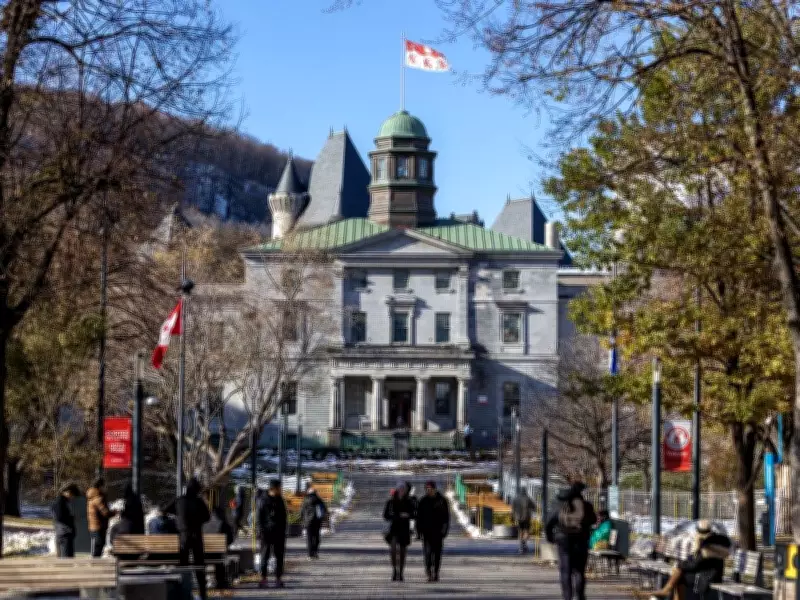
The tuition changes have particularly affected Concordia and McGill universities, both English-language institutions that have cited the increase as a key reason for implementing deep budget cuts. The universities reported a significant drop in out-of-province applications following the implementation of the new tuition structure in 2024.
In 2024, Quebec increased tuition for new out-of-province students studying in English by 33 percent, raising the cost from approximately $9,000 to about $12,000. The Legault government defended the measures as necessary to protect the French language and reduce the number of non-French-speaking students in Quebec.
Legal Challenges and Financial Costs
McGill and Concordia previously sued the Quebec government, arguing that the tuition hike was unreasonable and discriminatory. In his judgment, Justice Dufour criticized the arguments advanced by former higher education minister Pascale Déry, noting an absence of data supporting the decision and stating that available information did not substantiate the reasonableness of the outcome.
The legal battle has come at significant cost to the universities. Concordia spent $780,000 on legal fees to fight Quebec's tuition overhaul, according to information obtained through access to information requests. McGill has refused to disclose the cost of its legal fight, prompting The Gazette to ask Quebec's access to information commission to review the university's decision.
Future Implications and Constitutional Changes
The Quebec government has drafted a provincial constitution that would ban public institutions such as universities from suing the province. The Bureau de coopération interuniversitaire, which represents all Quebec universities, warns that this proposal would curb academic freedom and potentially expose administrators who authorize legal challenges using public funds to personal financial liability.
Higher education ministry spokesperson Bryan St-Louis emphasized that Quebec is not obliged to present the modified budgetary rules to a court following the judicial decision. The province maintains that its revised policy now complies with the court's requirements while achieving its stated objectives of protecting French language interests and ensuring fair funding for Quebec taxpayers.
The ongoing tuition dispute highlights broader tensions between Quebec's language protection policies and the operational challenges facing English-language universities in the province, with significant implications for interprovincial student mobility and university funding models across Canada.