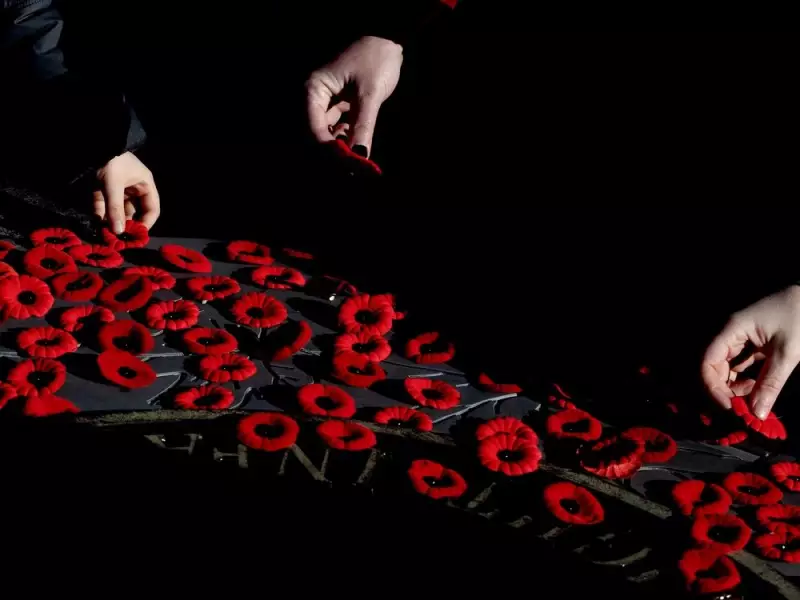
The coins and bills Canadians drop into Royal Canadian Legion poppy boxes each November are translating into direct, life-changing support for military veterans pursuing higher education. A significant $1.27 million donation from the Legion is now funding critical programs at the University of Alberta, including a dedicated veteran-friendly campus space and innovative virtual reality therapy for trauma.
From Coffee Chats to a Campus Consortium
The initiative took root from a simple, powerful observation. Alex Petruk, strategic and engagement manager for the Canadian Military Veteran Family Friendly Campus Consortium (CMVF3c) at the University of Alberta, recalls the moment. "This all started because a group of veterans came into my office one day, having a coffee, and they were all going through different post-secondaries," Petruk explained. "They were talking about their struggles, and as we watched them chat, it was like, oh, wait a minute... they're feeding off each other."
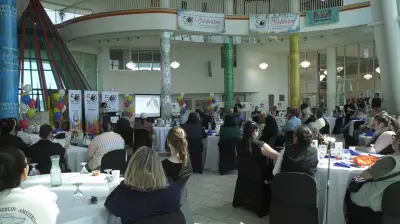
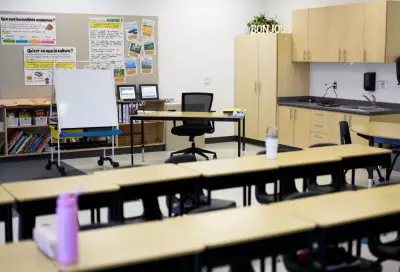
That recognition of the power of peer support led to the creation of a tangible space. Veterans and military members now have access to a unique, peer-supported hub at the University of Alberta, complete with meeting rooms, a board room, and computers. Here, they can connect over coffee, conduct research, or receive crucial assistance with the often-complex process of transferring educational credits and professional experience gained during their service.

The Power of Community Donations
The funds fueling this project carry a profound weight, as they originate not from government or corporate grants, but from the collective generosity of everyday Canadians. "This gift—these funds—they're not corporate dollars, they're not government dollars, they're not industry dollars," emphasized Petruk. He highlighted that the money comes directly from the efforts of Legion volunteers and cadets standing outside in November, collecting donations in communities from Edmonton and Calgary to Drayton Valley, Athabasca, Cochrane, and Okotoks.
The $1.27 million was granted to Heroes of Mind, Advocacy and Research Consulting (HiMARC), a partnership involving the Royal Canadian Legion in Alberta and the Northwest Territories, along with post-secondary institutions. A key objective for HiMARC is building resilience among military personnel, first responders, and their families.
High-Tech Healing and Historical Roots
Among the advanced tools being deployed is a cutting-edge trauma therapy known as 3MDR. This treatment involves a participant walking on a treadmill while engaging with a virtual reality environment, a method designed to help process and manage traumatic memories.
This modern support system connects to a long Canadian tradition of educating service members. Petruk pointed to historical precedents like Khaki College, founded during the First World War by Dr. Henry Marshall Tory, then president of the University of Alberta. That initiative allowed deployed soldiers in Europe to complete correspondence courses, demonstrating a enduring national commitment to preparing soldiers for civilian life.
The recent Legion-funded pilot for the CMVF3c and the 3MDR project represent a contemporary evolution of that commitment. They ensure that the countless small acts of remembrance—each poppy purchased—culminate in substantial, practical support, helping those who served transition successfully into their academic and post-military futures.