Just one month before McGill University announced it would eliminate more than half of its varsity and competitive sports teams, the institution's senior athletics official delivered a stark warning to its governing board. Geoffrey Phillips, the Senior Director of Athletics and Recreation, presented a report in October 2025 detailing that key sports facilities were severely deteriorating, posing safety risks and requiring multimillion-dollar repairs.
A Presentation Foretelling Cuts
The briefing to the Board of Governors outlined a dire situation across McGill's athletic infrastructure, with a total repair bill exceeding $50 million. This revelation came in late 2025, preceding the November announcement that shocked the university's student-athletes. The decision to discontinue a swath of teams for the 2026–27 academic year marked one of the largest reductions to its athletics program in decades.
Since the announcement, devastated students have demanded answers and launched petitions, with one for the track and field team garnering over 11,000 signatures. While McGill has stated the decision followed internal and external audits by KPMG and was influenced by a range of factors beyond just finances, it has declined to publicly detail any potential savings. The October presentation, however, provides critical context for what university leadership knew prior to the cuts.

Crumbling Tracks, Dangerous Fields, and a Faulty Pool
The report highlighted specific facilities in critical condition. The Tomlinson Fieldhouse, the main indoor training venue for the track and field team during winter, requires a $2.7-million surface replacement. Its surface, installed in 1993, is past its 25-year lifespan. The document noted the surface is worn, slippery, and increases injury risk for the children, students, and staff who use it.
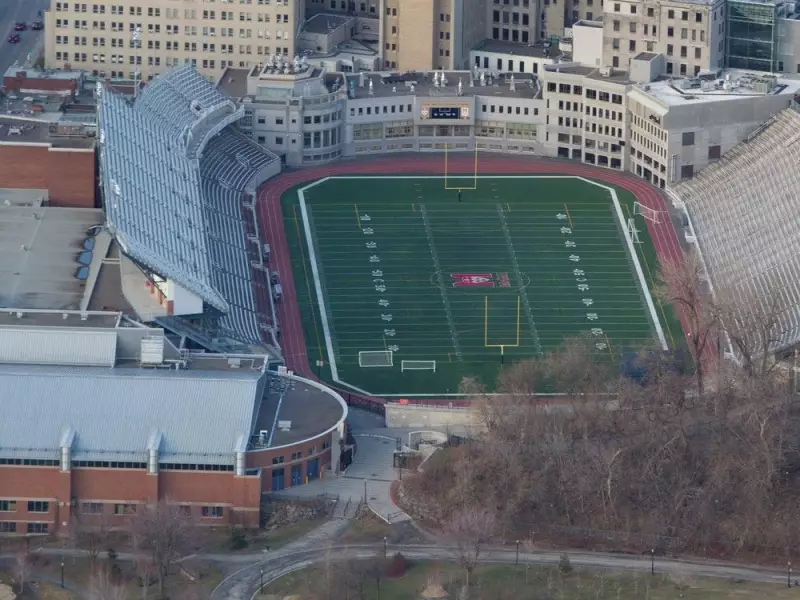
At Molson Stadium, the synthetic turf is in its 13th year and beyond warranty, with a replacement cost of $1.75 million. The report stated, "The field is now showing its age and the seams are separating, which is dangerous for athletes tripping and injuring themselves." The issues were so severe that they caused pauses for emergency repairs during Canadian Football League games.
McGill's outdoor track, used by the track and field team in fall and spring, was described as having "been finished for years." The exterior surface layer has worn away, leaving a dangerously slippery underlayer. Replacing it would cost $1.2 million.
The 32-year-old Memorial Pool, used by the varsity swimming team which is set to continue, needs a $4.6-million overhaul for a new basin and plumbing. Tiles have detached, cracked, and broken, leading to swimmers cutting themselves.
The Largest Cost: A $40-Million Ventilation Crisis
The single most expensive item identified was a $40-million overhaul of the HVAC systems in the sports complex. The presentation warned that spaces like the gyms and the Fieldhouse—which also serve as exam halls—lack reliable ventilation. It linked the issue directly to climate change, citing more frequent heatwaves and poor air quality that cause facilities to overheat, with existing systems breaking down and becoming irreparable.
No Green Light for Repairs Amid Broader Financial Pressures
In a statement following the revelation of the presentation, McGill University emphasized that no decisions have been made to proceed with the outlined facility upgrades. It stated the projects reflected "ongoing challenges related to resource requirements, facility space, budget constraints and human resources capacity."
This athletics restructuring and infrastructure dilemma unfolds as McGill contends with wider financial pressures stemming from Quebec government policy changes over the past two years. These include increased tuition for out-of-province students, limits on international enrolment, and tougher French-language requirements.

The October presentation paints a picture of a university grappling with a massive deferred maintenance bill for its athletic facilities at the same time it made the painful decision to scale back the very programs those facilities were built to support.