Pressure is mounting on the Nova Scotia government to formulate a concrete strategy for recruiting and retaining teachers across the province. The call for action comes from both the Nova Scotia Teachers Union (NSTU) and opposition politicians, who argue that a proactive plan is essential to address current and future staffing challenges in schools.
Committee Meeting Highlights Urgent Need
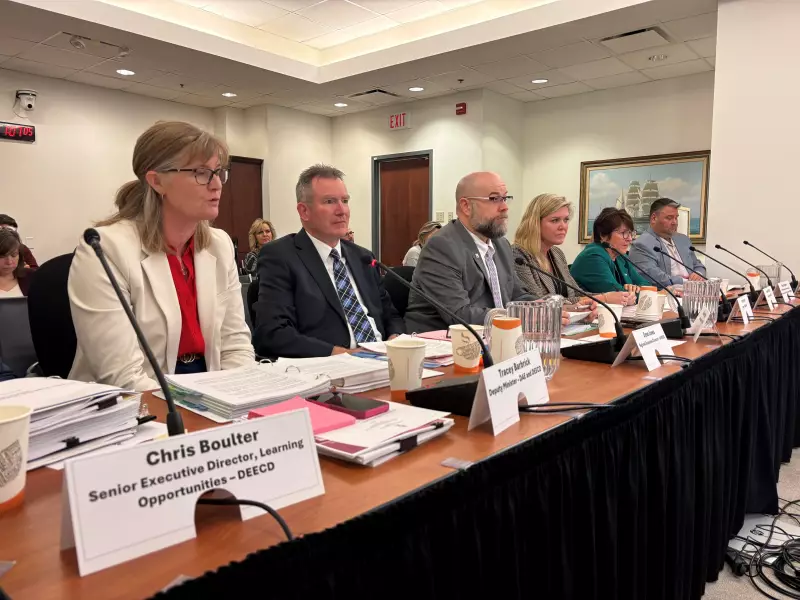
The issue took center stage at a legislative human resources committee meeting held on January 6, 2026. Nova Scotia's Deputy Minister of Education and Early Childhood Development, Tracey Barbrick, was present to field questions and discuss the department's approach. The meeting served as a focal point for concerns that the province lacks a coordinated, long-term plan to ensure a stable and qualified teaching workforce.
Advocates for a formal strategy warn that without one, schools may face increasing difficulties in filling vacancies, particularly in specialized subjects and rural areas. They emphasize that recruitment is not just about hiring new graduates but also involves retaining experienced educators and creating attractive working conditions.

Union and Political Voices Amplify Concerns
The push for a defined teacher recruitment strategy is not new, but it has gained significant momentum. The Nova Scotia Teachers Union has been vocal, stating that piecemeal solutions are insufficient to tackle systemic issues. They argue that a comprehensive plan should address competitive salaries, professional support, workload management, and incentives for teaching in high-need regions.
Opposition politicians from various parties have echoed this sentiment, holding the government accountable for what they perceive as a reactive rather than proactive stance. They contend that investing in a robust recruitment and retention plan is an investment in the quality of education for all Nova Scotia students.
Government's Response and Path Forward
During the committee proceedings, Deputy Minister Tracey Barbrick outlined some of the steps the Department of Education and Early Childhood Development is taking. However, critics are seeking more details and a publicly available, structured framework with clear goals and timelines.
The outcome of this pressure could shape Nova Scotia's education policy for years to come. As demographic shifts and evolving educational needs continue, having a reliable pipeline of skilled teachers is paramount. The government's next moves in response to these calls will be closely watched by educators, parents, and communities throughout the province.