Alberta Education Ministry Opens Applications for New Teacher Advisory Council
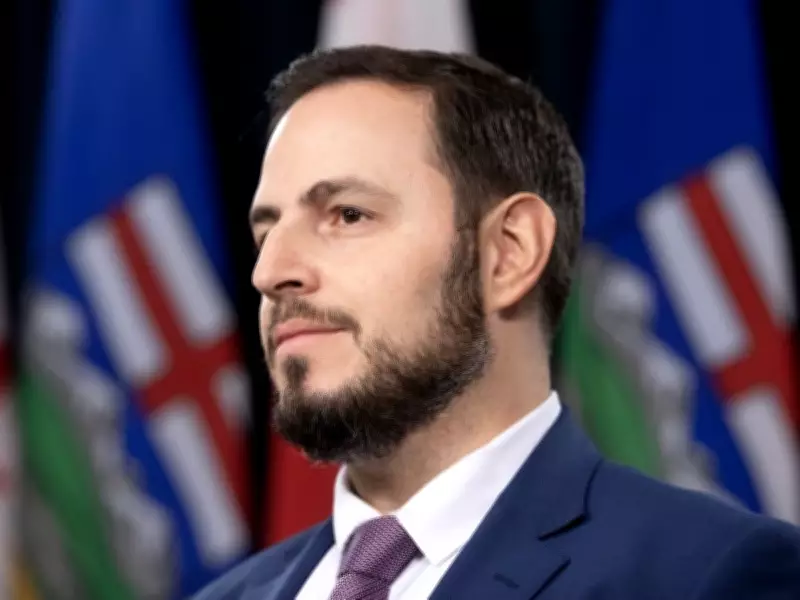
The Government of Alberta has officially opened the application process for its newly established Teacher Advisory Council, a significant initiative aimed at fostering direct dialogue between educators and provincial leadership. Education Minister Demetrios Nicolaides announced that the council will consist of 15 members, including both teachers and principals from across the province, with applications due by February 13.
Council Structure and Purpose
Minister Nicolaides emphasized that this council represents a substantial shift in how the government engages with frontline educators. "This is a new change and a big shift from how I have worked to listen and speak with teachers," Nicolaides stated, adding that he is "confident that it's going to be very insightful for teachers and for myself." The council's primary function will be to provide the minister with direct advice and opinions on pressing educational issues, though it will not produce formal reports or recommendations.
Key topics expected to be addressed include:

- Teacher training and professional development
- Preparedness for handling classroom violence and behavioral challenges
- General education policy concerns affecting Alberta's school system
Class Size and Complexity Data Release Imminent
In a related development, the province has confirmed that it will release its promised class size and complexity data in the coming weeks, well ahead of the 2026 budget scheduled for February 26. This data collection marks a significant milestone, coming six years after the province eliminated mandatory class-size reporting. School boards across Alberta submitted their information by the end of November 2025, and the ministry is currently finalizing the compiled data.
Nicolaides explained that the release will include "interim steps to address classroom complexity" alongside the data itself. This initiative stems from the Class Size and Complexity Cabinet Committee, co-chaired by Nicolaides and established last fall by Premier Danielle Smith to tackle what the Alberta Teachers' Association has identified as critical issues: overcrowded classrooms and increasing student needs.
Broader Context and Government Commitment
The creation of this advisory council fills a gap, as Alberta has been without a formal teacher advisory body for over two years. While Nicolaides acknowledged that disagreements may arise, he stressed that the council's input will "help guide government policy." The minister plans to make appointments to the council by the end of February, ensuring that educator perspectives are integrated into ongoing discussions about the province's educational future.
This move is part of a broader effort by the Alberta government to address systemic challenges in education, following mounting concerns from teachers, parents, and administrators about classroom conditions. The forthcoming data release and the establishment of the advisory council represent concrete steps toward greater transparency and collaboration in shaping Alberta's education landscape.